By D.C. Thomas
This article is a retrospect of the Faculty Triennial Spark Exhibition at the New Gallery (Aug. 25-Oct. 2, 2026)
Throughout the years, the Customs House Museum & Cultural Center and Austin Peay State University have together drawn many bridges across the Clarksville and Montgomery County communities, jointly weaving a trove of opportunities for enriching local culture, documenting history, and celebrating the arts, all the while helping to foster a creative environment for both upcoming and established artists.
Our institutions have always worked together to educate, champion the arts, document meaningful events, preserve history, and celebrate the human spirit in ways that expand in numerous fields, and collaborate to create opportunities for talented and dedicated individuals through partnerships and outreach.
Late in August through Early October, a rich variety of media took over the space in the New Gallery in the Art + Design Building at Austin Peay State University as part of the Faculty Triennial: Spark exhibition, a survey of the past three years of each faculty member’s artistic practice with the goal of showing to the students that their professors are active artists, they have responsibilities, a life beyond the walls of the classroom, and their works travel the world. 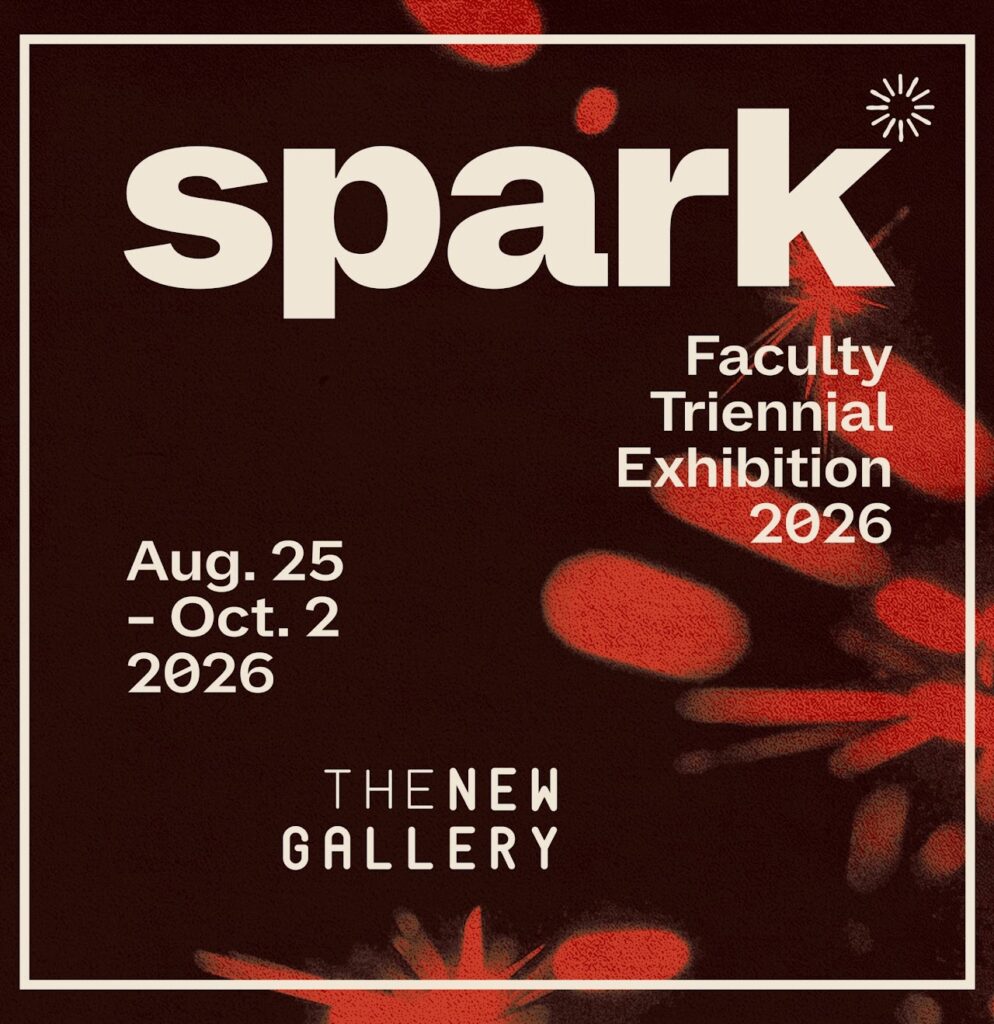
This exhibit, through its collective subject matter, touches on multiple topics regarding climate change, cultural preservation, health, social justice, and investigating the past to spark conversation and awareness about not only artistic practices, but human practices in the world, human behaviors, and narratives that help us reflect on ideas for bettering the future of our world, not just for ourselves, but for all of us.
When asked how the exhibition received its title, New Gallery’s Director, Jaroslava Prihodova, said that the Spark idea, “was actually one of our faculty members, Patrick, so Spark is the creative charge, energy, the collaborative effort that kind of grinds against each other and creates sparks.”
Spark has been carefully and successfully introduced to the students and to the public, using multiple methods to facilitate access to the meaning and processes of the exhibited works, to comprehensively present the artistic body of work of participating professors, and prompt engagement through its transparent and detailed commentaries in text, photography, and audio descriptions.
Wall tags provided information about the artists and their work, while QR codes gave visitors access to audio recordings in which faculty members discussed their creative processes, work, and inspirations. By openly sharing these insights, the professors demonstrated a sense of transparency that allowed visitors to better understand the ideas and experiences behind their work. This openness also underscored their willingness to teach, mentor, and encourage students to pursue careers in the arts beyond the classroom, emphasizing the value of accessibility, knowledge-sharing, and professional development.
You may already be familiar with many of the faculty members from this exhibition through their teaching, exhibitions, and collaborations with Customs House Museum.
Several have taught Sunday Studio workshops for adults at our museum and participated in Sundays at 3:00 lectures by teaming up with APSU’s Community School of the Arts and Center of Excellence for Creative Arts (CECA).
In 2017, Billy Renkl, was the Signature Artist for Flying High. His work, Havana Nights, was purchased by F&M Bank. Renkl has also exhibited his work at the Museum over the years, before the pandemic, in collaboration with Greg Sand, his wife, Susan Bryant, and others through group exhibitions. He said, “it’s important for our students to know that we’re working artists, that we’re not teaching from this memory of graduate school. We’re in the studio, every day, every week, and that making work is a priority for us.”
Paul Collins (Painting), whose Unbannable Library traveling exhibition has been highlighted in a Second & Commerce article by Shana Thornton, has curated an upcoming exhibition at the museum alongside Sabrina Sanford. Rooted + Rising: Inside APSU’s Department of Art + Design will open on October 30 in Crouch Gallery, and showcase the works of recently graduated APSU students under the mentorship of Yun Shin (Drawing & Foundations), Angela Hernandez-Scoggins (Animation & Visual Effects), Luke Warren (Sculpture), and Patrick Gosnell (Graphic Design).
Laicee Blackwell will host their fourth Sunday Studio here on October 18, this time around teaching printmaking using plastic toy bricks for this free class. In the past, Laicee taught cross-stitching techniques, rag weaving, and needle felting workshops at the museum.
Other Sunday Studio workshops at the Customs House Museum have been led by Luke Warren (mold making), Patrick Vincent (bookbinding, and printmaking for Art & More classes), McClean Fahnestock (sculpting, thaumatropes, optical illusion, and more).
These academics’ teaching and educational art methods extend beyond their classrooms, respectively, and the APSU Campus, which benefits communities of aspiring artists and art students to connect with their professors, their art accomplishments, and their techniques.
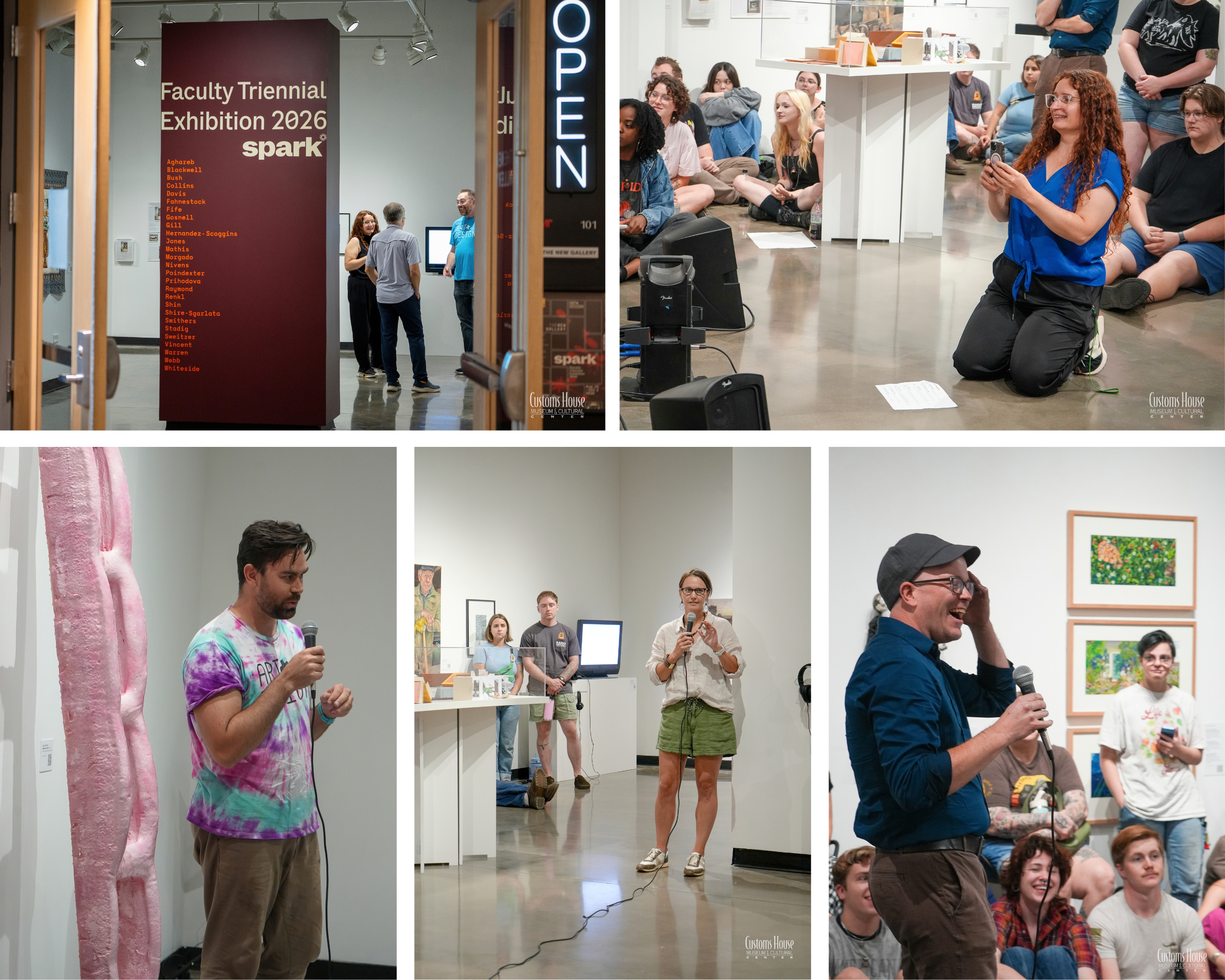
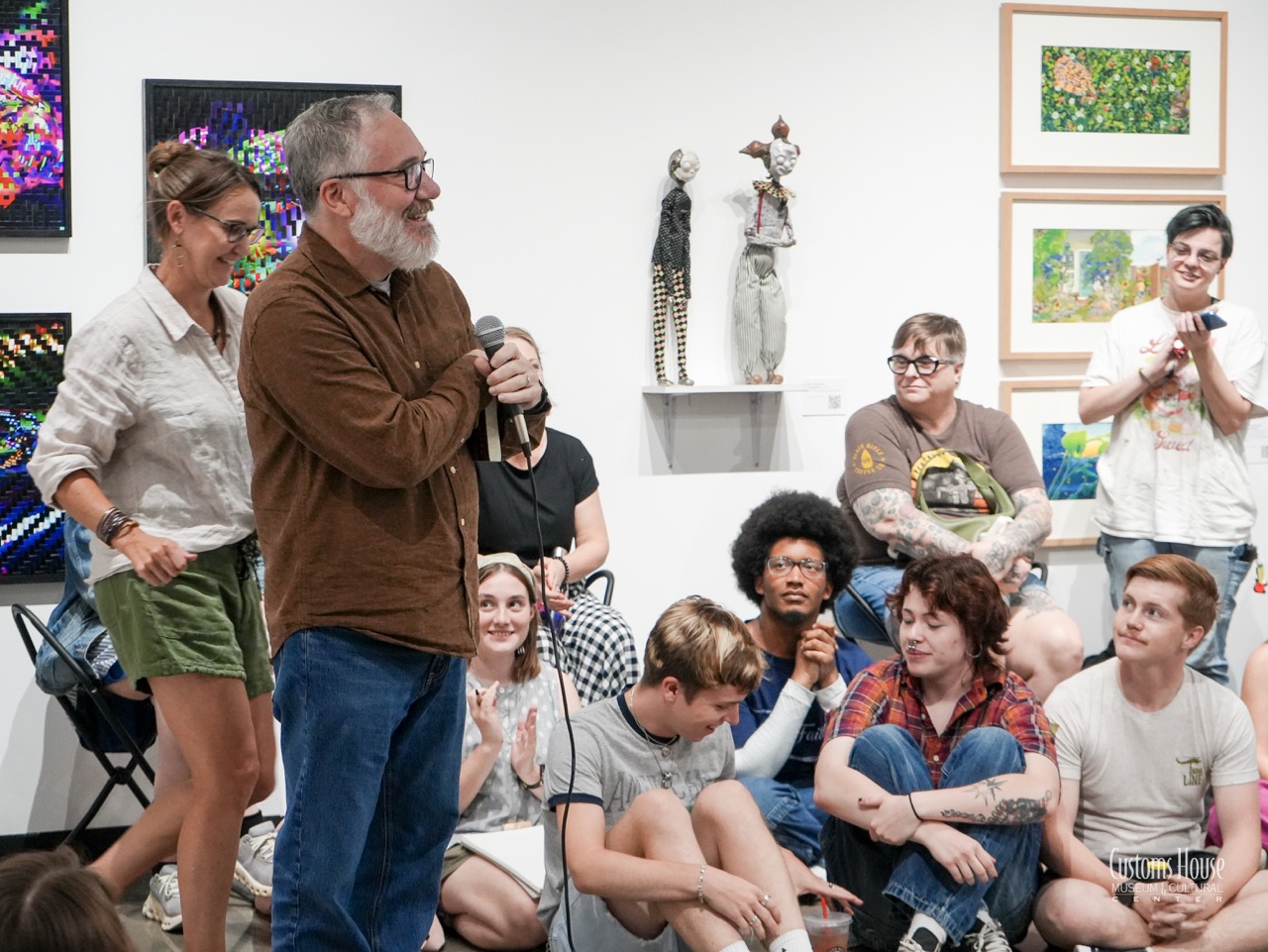
The Talks (Sept. 10, 17, and 24, 2026, 6-7 p.m.)
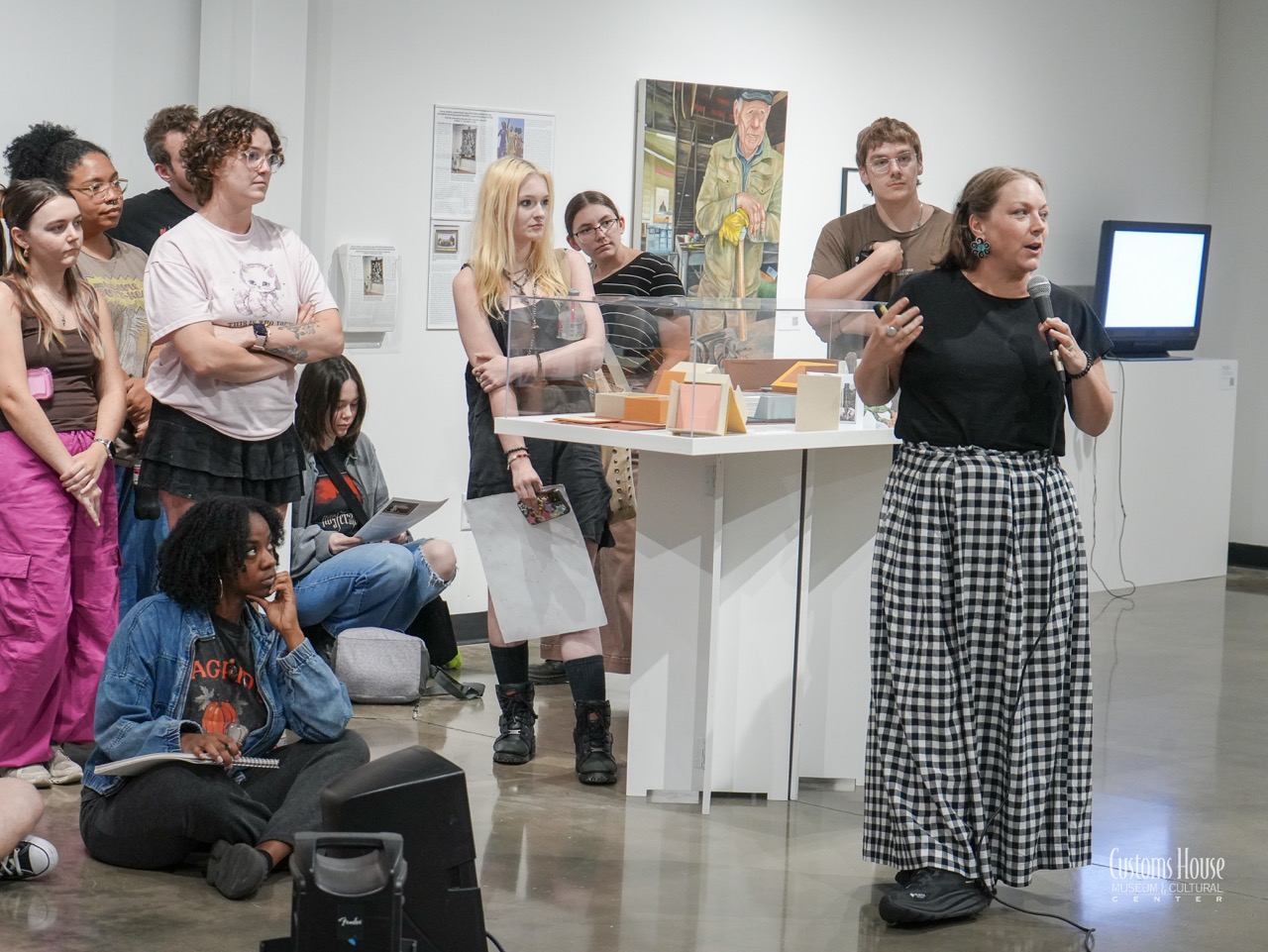
Besides the information made available during the opening reception on September 2, 2026, the gallery talks were great occasions for students and the public to gain additional insight into the faculty’s art careers. The faculty exhibition happens every three years.
As descriptive and straight-to-the point as the explanations have been for these works, it was during the talks that communication of scope, experience, impact and hopes for the future have come through in dialogue with students in a more poignant way.
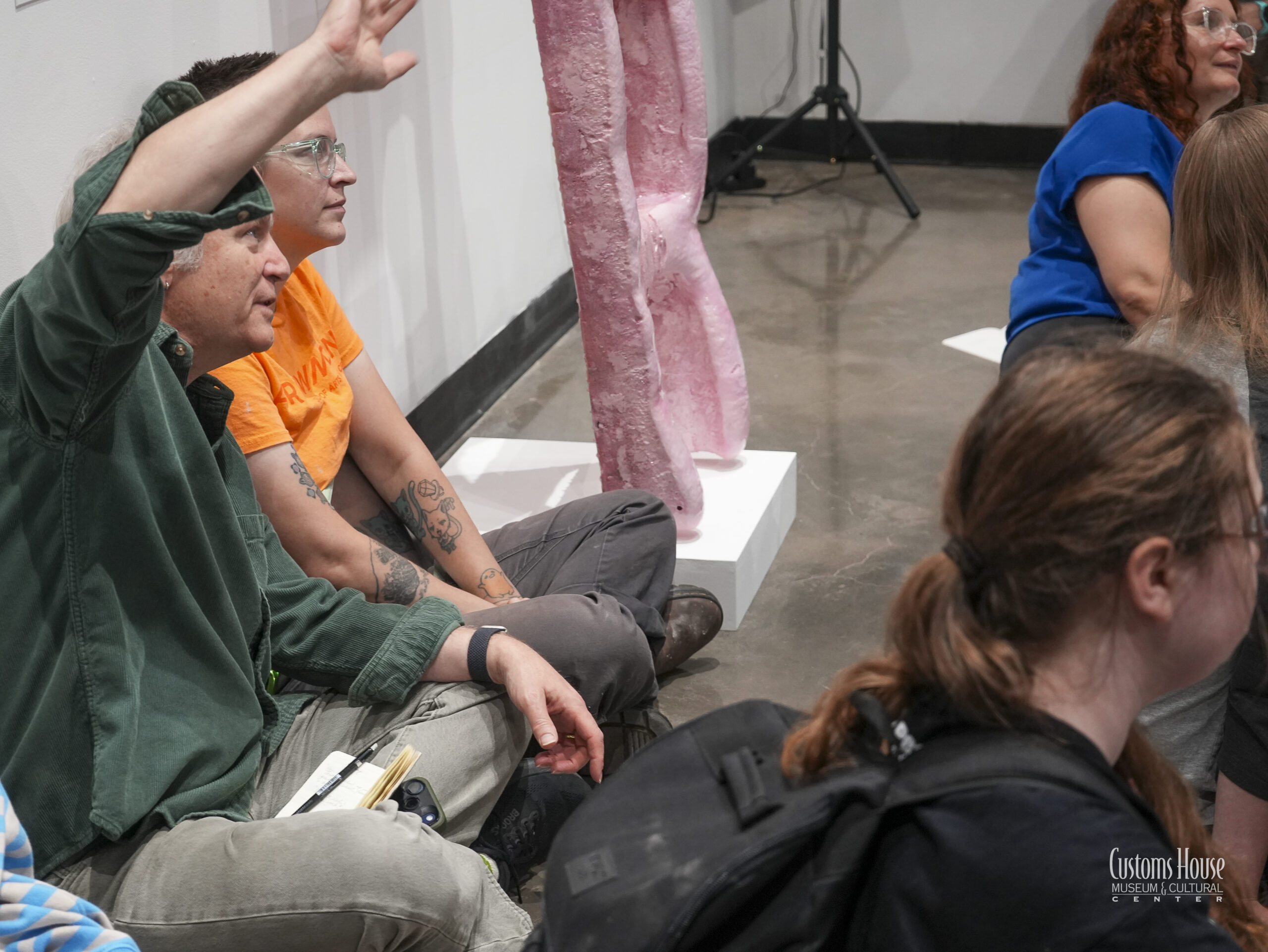
There was connection, laughter, curiosity, and relatedness, perhaps because this time around, you weren’t scanning a QR code or reading a text on a paper on a wall, nor attending a class with a plan lesson, but listening and watching a human being uncoiling their mind for the purpose of teaching and learning. Some students were drawing as they were listening and many asked questions.
These talks also counted as artist lectures for art students required to attend at least two per semester. The participants were grouped into three sessions to deliver remarks and answer questions from students and the public.
Hannah Charles, a local poet and artist with two bachelor’s degrees who is studying for a third degree in the arts, said these sessions and exhibitions are beneficial to art students as they learn about artistic practices and their application outside the classroom.
When Dr. Tamara Smithers (Art History) opened the series of talks on Sept. 3, she introduced herself to a group of floor-seated students and professors, as a historian whose expertise is in Italian Renaissance art and who has also been drawn to Native American history. She then refocused her efforts to study Indigenous art, history and myths of Native lands, and has been teaching Native American Art & Culture for about 10 years. “I just got more and more interested in contemporary Native American art,” she said.
As part of her dynamic and compelling talk, Smithers played a promotional video for ENCODED: Change the Story, Change the Future, a 2025 unauthorized exhibition at the Metropolitan Museum of Art, in the American Wing, that she went to New York to see it in person. This exhibition featured 17 indigenous artists who used augmented reality (AR) to convert artworks from collection on display. This AR takeover could only be viewed through digital devices. Her unsanctioned copy of ENCODED Exhibition Review, is projected to come out this month in Art Inquiries journal. “This is a huge project, many years in the making,” Smithers pointed.
Rachel Bush (Graphic Design) discussed her experience with St. Jude Children’s Research Hospital in Memphis, where she worked closely with doctors and cancer patients. Bush described the six-month project as both “the most rewarding and most depressing job,” she’s ever done. She recounted her time spent at the hospital and sitting in meetings with patients (10 years old and younger) going through difficult times.
Barry Jones (Digital Media, Video) exhibited a digital projection on paper and said his children have been an inspiration throughout his artistic processes. Jones read from Last Letter to My Son, a poem by Nazim Hikmet, after he endearingly spoke about family, his sons. “Of all the different aspects of my life, artist, professor, husband, most important is father,” he said. “One of the things I’m really proud of my children is they all are voracious readers.” Jones added that he recorded himself reading and aligned the reading pace to the speed for the projection on the paper, following the rhythm of the poems.
Patrick Vincent (Printmaking) talked about prints he created during his residencies in California and New Mexico, pondering climate change while on walks, noting, “In the more recent lithographic prints, I am thinking about how we understand structure and order from the natural world as we disrupt it.” During his talk, he looked at the broader role of art and said that “it creates community; … as much as this is about my wanderings of the world, beyond my knowledge, is also about me trying to build community relationships with people.”
Luke Warren (Sculpture) opened about his artistic processes by showcasing Bubblegum Ladder in Spark (not for climbing but fort building) and inviting everyone to take a step into his childhood. He spoke about overcoming severe dyslexia, explaining how his work with structure allowed him to decode the world. “I love contextualizing my work… I love this notion: you build a 12 ft. sculpture and it ends up being less about the sculpture itself, and the form and is really about the space around it, the feeling, the compression, that space of walking underneath, and then also understanding to deepen my sense of geometry, math, these things that were really difficult for me as a kid,” he explained.
He mentioned his upcoming solo exhibition at New Gallery, January 19 – Friday, February 12, 2027, including new work, a lecture, a musical performance and a documentary screening. Decoding a form is enjoyable and interesting to Warren, steerings towards the whimsy and wonder, preferring light structures because they lack functionality, all the while sticking with artistic rigor. In connection with the museum, besides his Sunday Studio mold making, and lecture on public art during a Sundays at 3:00, he is instrumental in revitalizing the public art scene in Clarksville and more can be read about it in the Second & Commerce article Voices of Impact, and in our blog here.
Gallery talks can be a social medium, a conductor facilitating human interplay on multiple levels, and Spark truly succeeded to bring forth more than what the artists placed on the wall, more than was written in the text, and more than was spoken of in the audio files.
Curiosity roamed free during the talks, and aligning answers like “reframing tremors creatively in order to draw specific lines and make art that way,” with floor-seated students who were drawing while listening, bear the power to expand thought and grow mindsets. Students would occasionally pause their drawing to engage with the answers and follow visually.
Another immersive aspect of this experience was being able to watch the videos, projections, and animations while hearing their creators speak about the work. This made it possible to better understand the meaning behind each piece and the creative process that brought it to completion.
Such was the case of watching the animations of Angie Hernandez-Scoggins (Animation), whose beautifully animated Fables for Health Literacy were intended to make important health information more accessible and engaging for parents. By offering these stories in English, Spanish, and Haitian Creole, it helps address health literacy barriers and reach a wider range of communities.
One of the talks, scheduled for Sept. 17, was not attended by a museum representative as it coincided with the History on the Rocks event held at Leatherwood Distillery to launch the fall issue of Volume 5 for Second & Commerce magazine.
Fortunately, the amount of information shared online and in gallery, provided a generous overview of the works and their makers: Yun Shin (Drawing), Amanda Morgado (art), Patrick Gosnell (Graphic Design), Scott Raymond (Department Chair and Professor of Animation), Billy Renkl (Art), and McLean Fahnestock (Interim Executive Director of Accreditation and External Compliance).
On the relaxed evening of Sept. 24, more faculty members gathered to conclude the series of talks for Spark, as students gathered to listen to their professors, once again, seated on the floor, alongside faculty and their families or friends.
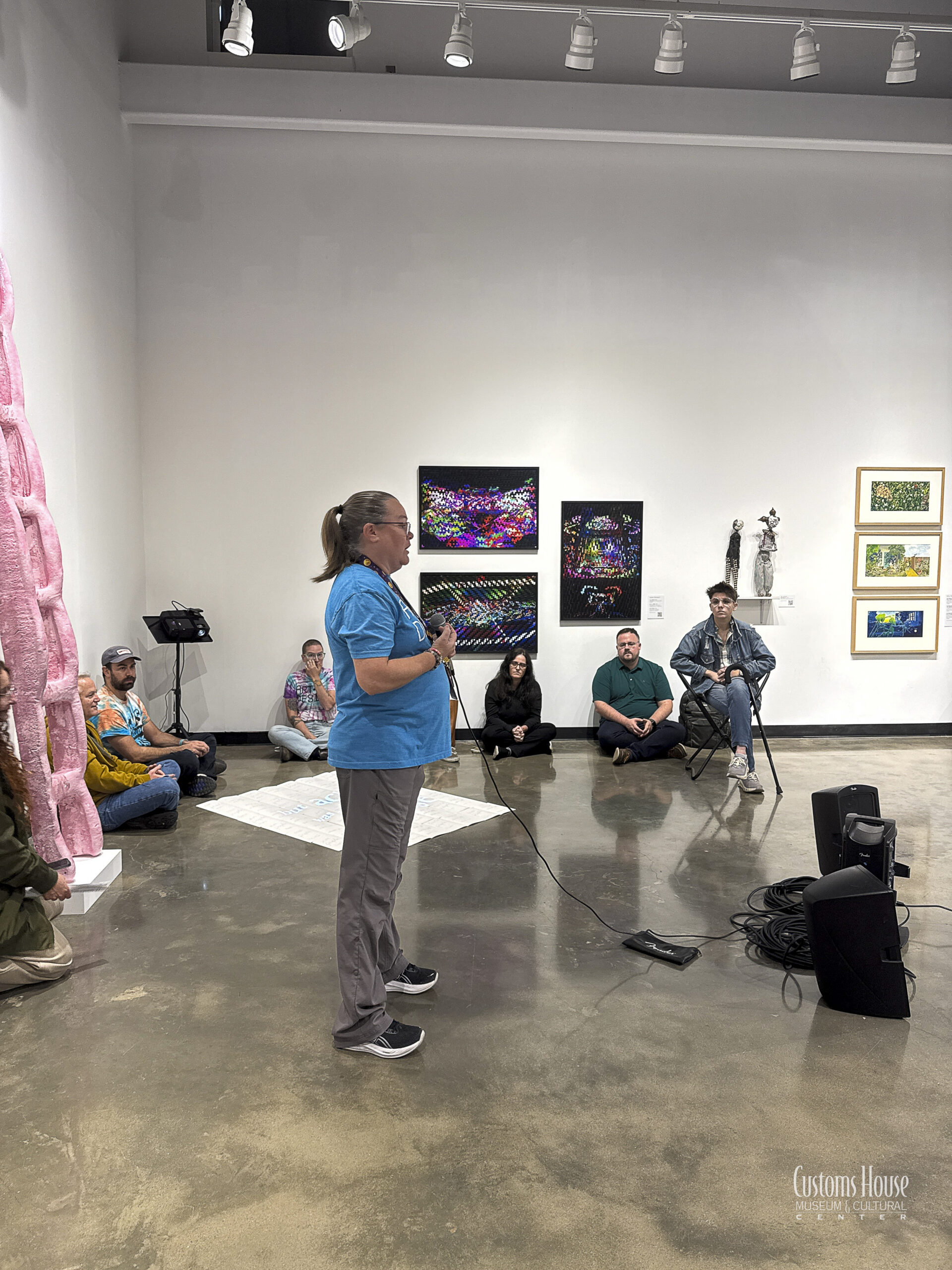
Tabitha Sweitzer (Art History) opened by describing her beginnings in photography during her travels, recounting her transition from analog to digital cameras and her growing exploration of subject matter as the central focus of her practice. She explained to her students that she draws on these personal experiences, as they enrich her teaching practice. In response to a student’s question about how the darkroom influenced her approach to digital photography, Sweitzer explained that working with analog photography, developing film, and creating images with limited resources taught her the value of discipline, patience and being economical before pressing the shutter button.
The Sept. 24 talks were also documented through analog photography and more photos may become available at a later date from the Customs House Museum only.
“I’m a weaver,” Laicee Blackwell (Studio Technician) said. A closer look at Blackwell’s practice, while listening and familiarizing with their processes, one can see how these abstract mosaics go through multiple iteration. “I like to build a story in the material of the
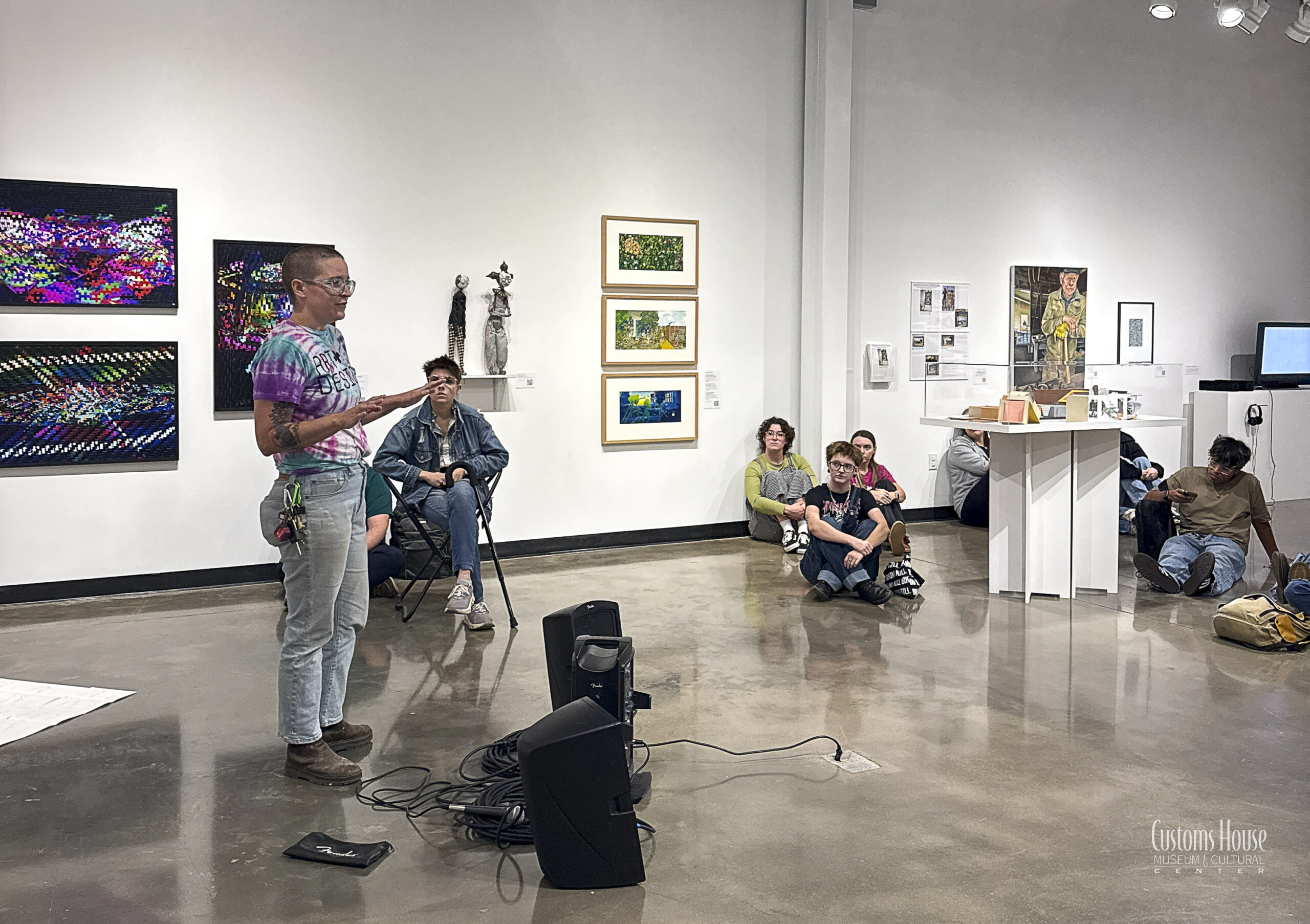
piece,” Blackwell said. “Sometimes I don’t like how it actually looks, so I’d completely unweave it and then weave it again, … until finally, that story, that look is resonant and it rings in my brain correctly. … And then I frame it, then put it on the wall, then photograph it, then put it in my portfolio. At least, that’s what I should do.” Blackwell’s photography weaving is like their art: colorful, multilayered, complex, dreamy, and meticulous.
Then, the last gallery talk for Spark continued with remarks from Joe Nivens, Nicki Davis, and it concluded with comments delivered by Jaroslava Prihodova (Gallery Director). Prihodova opened up about her student experiences in Czech Republic, and later in New York for her MFA. She has been an essential participant during the previous talks, asking questions of both the professors and students, steering the talks, and inviting all to a documentary screening in Heydel Hall on October 1, Art Talent Show, directed by Adéla Komrzý and Tomáš Bojar, available for buying or renting on Apple TV (if you want to see it with subtitles).
This documentary screening has been made available to students at APSU in the eventuality they would like to pursue art studies abroad and/or teaching in Europe, with it being a glimpse of the academic rigors and process of admission into art school, more specifically in Czech Republic, at the Academy of Fine Arts in Prague.
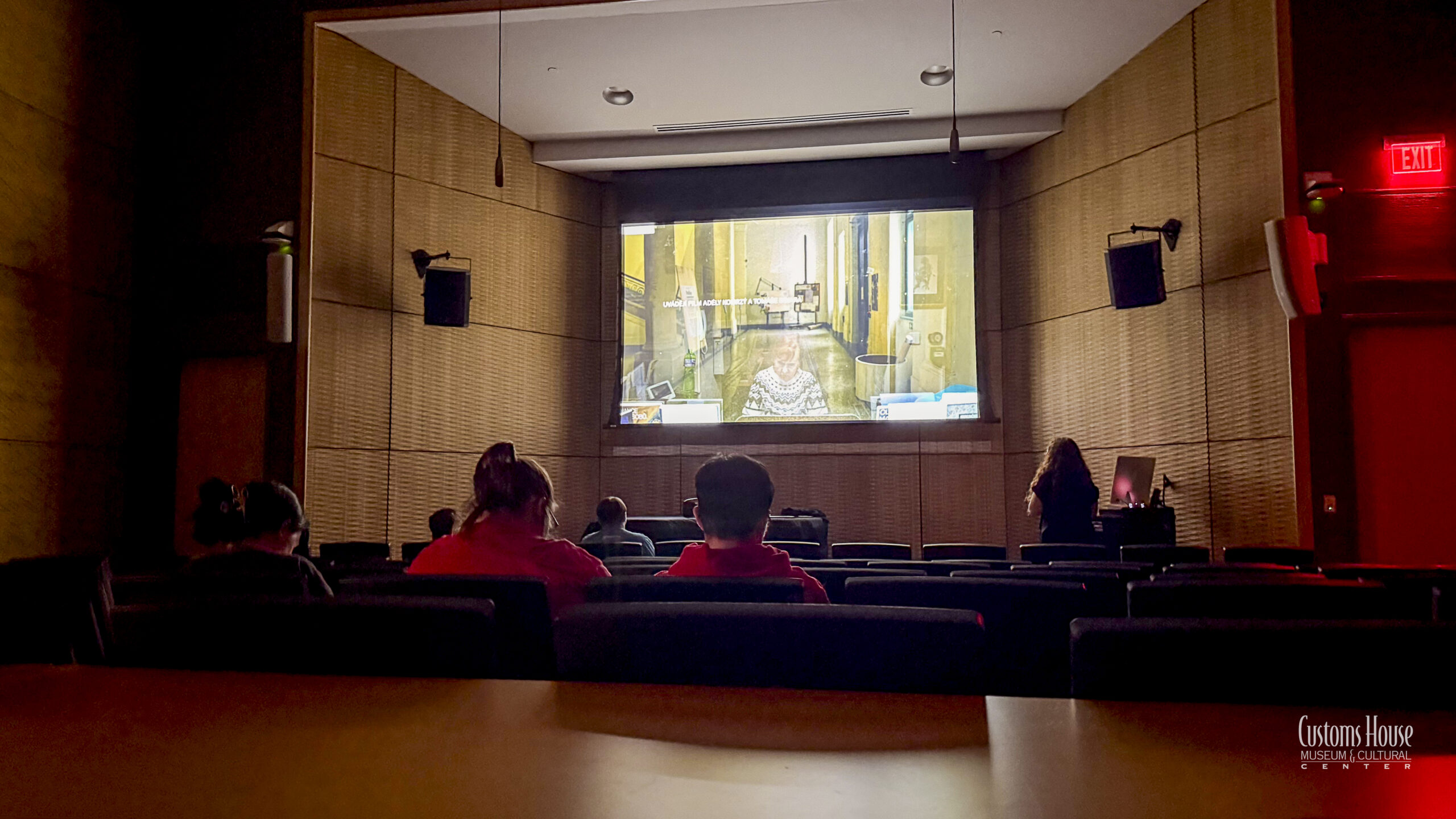
Prihodova said, “The reason that I am putting this alongside the exhibition is to provide a different lens of how to observe the art, how to provide context, and how to expand beyond the gallery, but also beyond the U.S. … This is a perfect window in how schools work in other countries. … This is very specific to Czech Republic, but also it’s very similar to other countries like Germany, Poland or Slovakia. … It illustrates something really important, that most of you don’t have a chance to see: how professors talk to other students, how they evaluate work, how they talk to each other about students. … I went through this process and it’s awful. … It might be triggering,” she continued listing warnings about this intense documentary which shows in detail the various stages of the three-day annual art examinations for artists who apply for admission at the prestigious Academy. “It’s very intense because it’s a prestigious institution, … they will not take students who are not producing art at the level they are expecting. … it’s entertaining, it’s thought provoking, and it definitely sparks an interesting conversation about art education in general, globally: what we are doing, what we are trying to achieve, … culturally.”
For more details about Spark, to see the full list of the participating faculty member, or listen to the audio files, visit the exhibit page here.
The New Gallery is a Clarksville Artwalk participant, with Spark spanning two consecutive First Thursdays. Spark opened the 2026–27 exhibition season on the APSU campus and exhibitions here are free and open to the public for visiting and engaging with the ideas presented across multiple disciplines.
Also read:
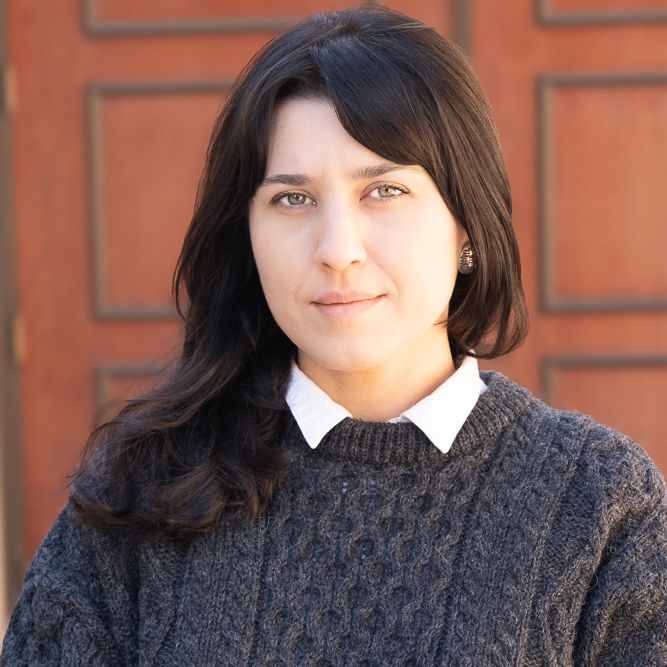
D.C. Thomas is the Marketing & Publications Designer at the Customs House Museum & Cultural Center. She is an author, visual artist, and graphic designer.