Historic, Functional Items Become Public Art
By Shana Thornton
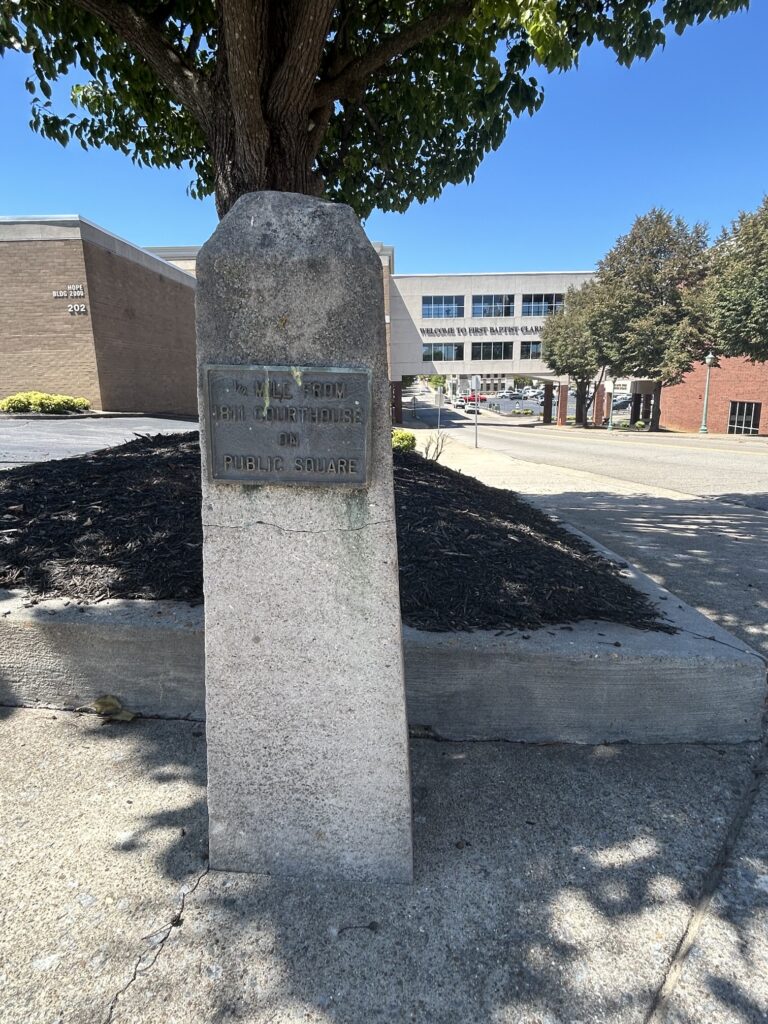
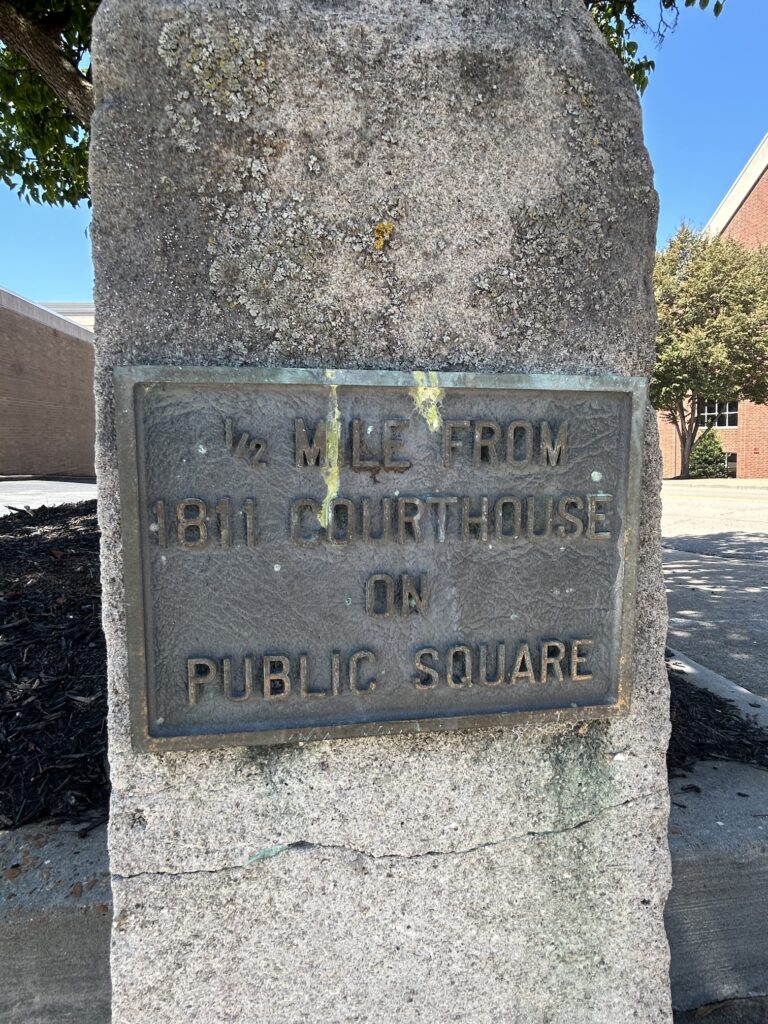
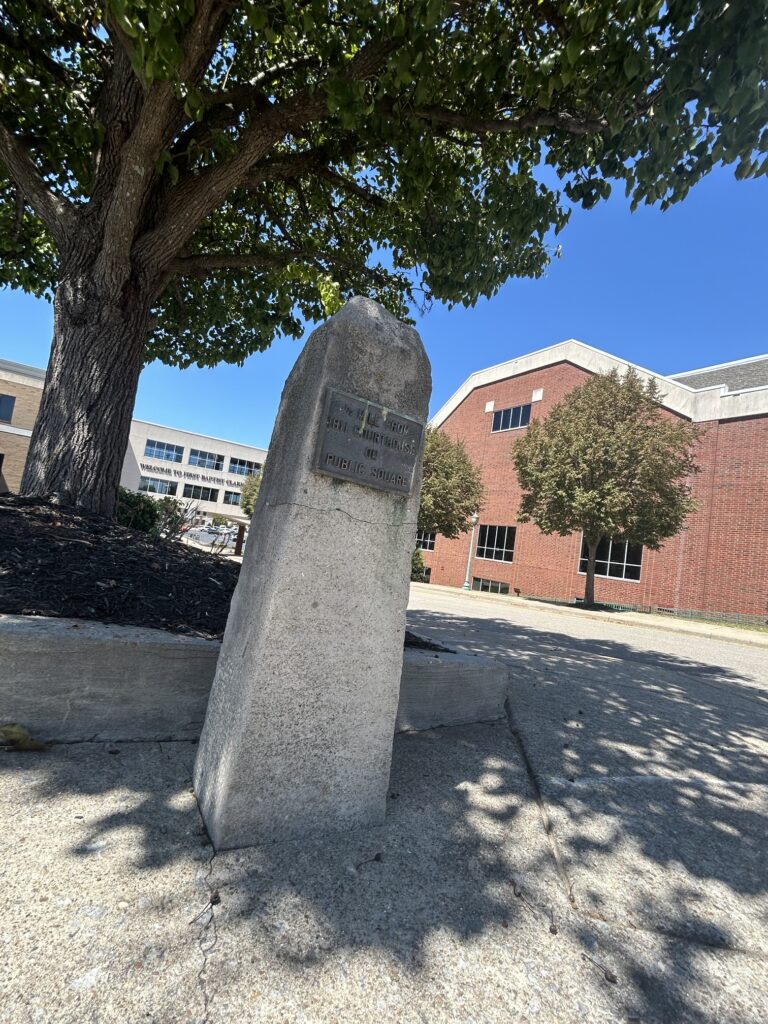
If you were driving a stagecoach or riding your horse to town at the beginning of the 19th century, you would have experienced a very different landscape—the forests and trails surrounding downtown Clarksville would have dominated the terrain. You might not know if you were still on the post road or how much farther to the downtown. You wouldn’t be able to see the top of the courthouse or the public square until you were much closer to the location, so a marker telling travelers the distance to the city center, whether that’s the courthouse or the public square (also known as Market Square) or both, would have been welcomed by travelers and later the stagecoach delivering the mail. These stone markers communicated distance in most cities, as did the one still located at 5th and Commerce Streets.
Stone Marker
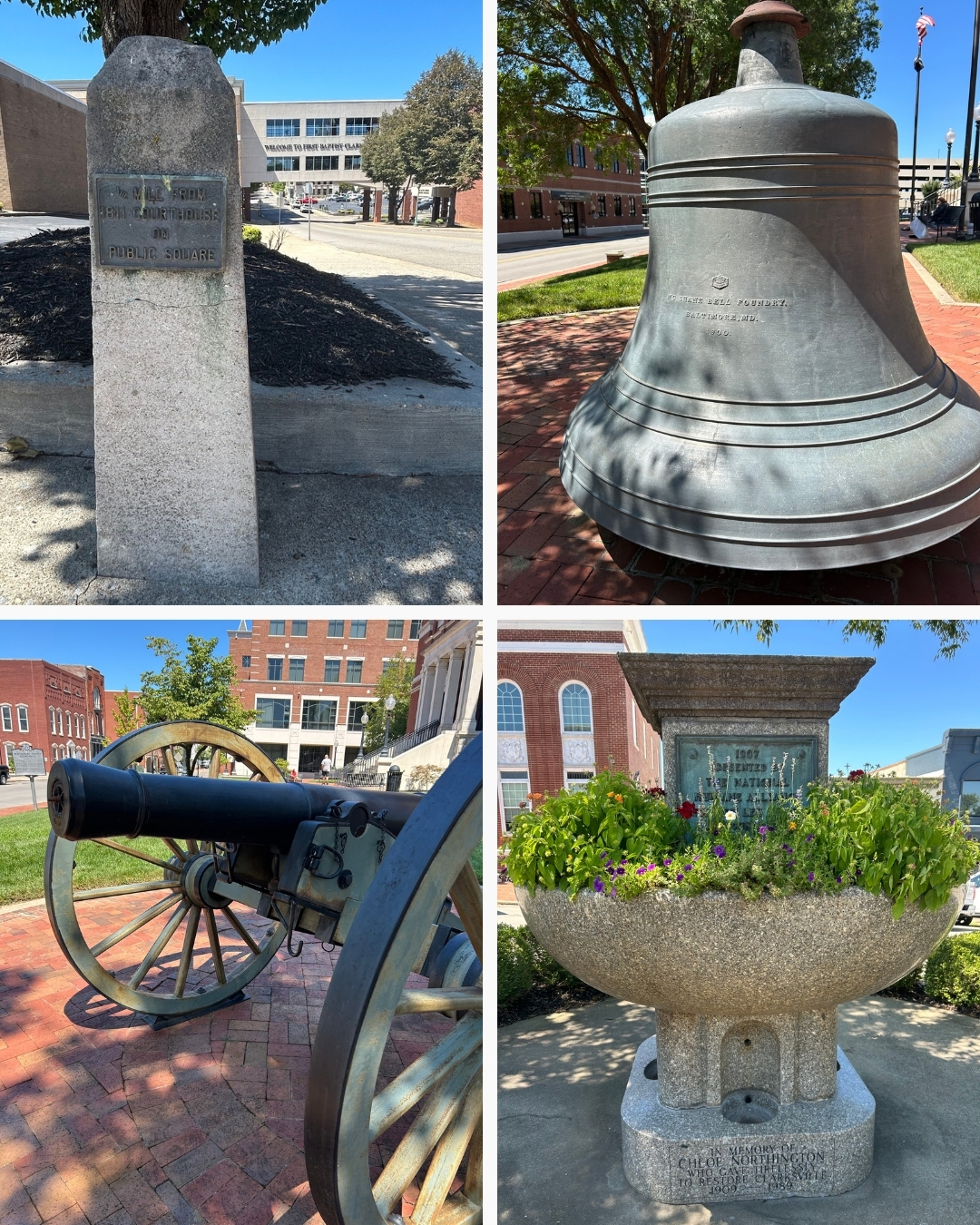
Safe in the shelter of the First Baptist Church is a stone marker that many pass by without knowing why it is there. Last year, Montgomery County Historian Carolyn Ferrell stopped by the location to check on it, and that’s when I learned about the stone marker at 5th and Commerce Streets in Downtown Clarksville, one example of a once-functional object that is now a piece of the historical record and also serves as public art reflecting a past need.
Not quite a hundred years after the necessity of the stone mile marker, the citizens of Clarksville installed two other functional objects now serving as public art—the watering fountain/trough located at Public Square and the bell that is now on the Montgomery County Courthouse lawn.
Watering Fountain/Trough
The watering fountain/trough was meant to satisfy a thirsty rider, horse and/or mule, as well as small children and/or dogs that accompanied someone to town. The watering fountain had two levels, one for grown people and horses, and a lower level for children and small animals. According to the City of Clarksville’s website, in “1894, Public water fountains for ‘man and beast’ were installed on the Public Square near the Market House and on 3rd Street near the court house.” While the fountain that eventually became known as the 1894 fountain is not in fact from 1894, it served the same purpose. The citizens of Clarksville called for a stronger and sturdier fountain to replace the original from 1894.
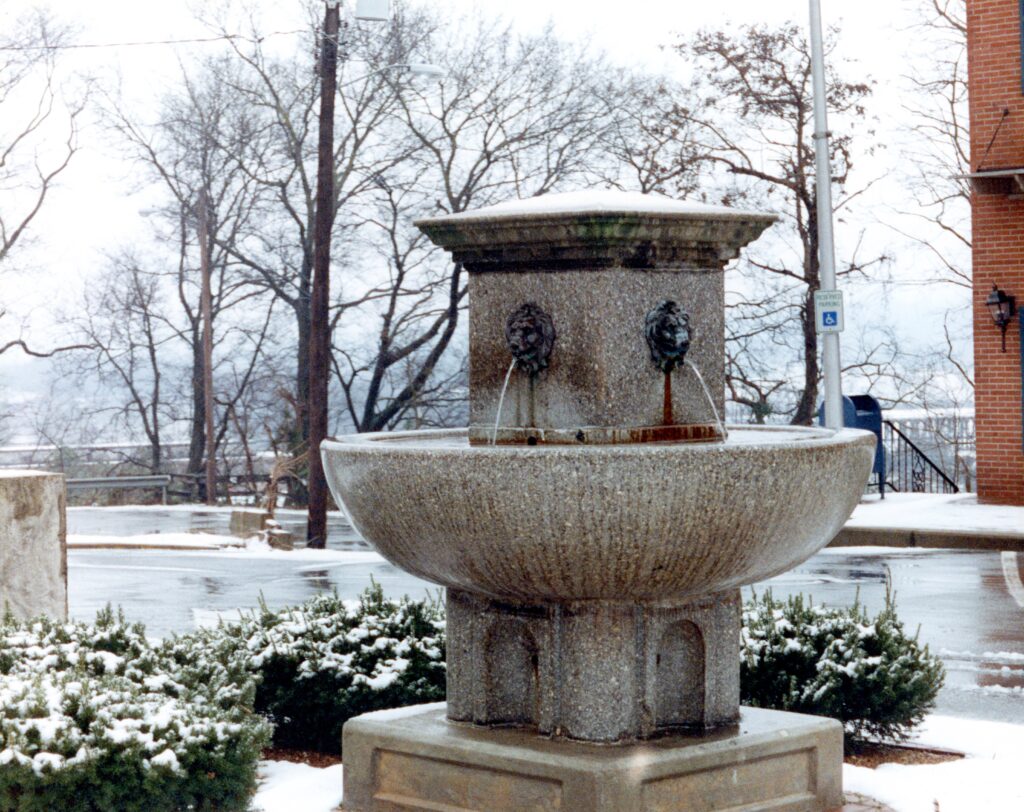
Courtesy of the Customs House Museum’s Collection.
Below are some of the newspaper articles about the public water fountain published in 1894. The debate was constantly in the newspaper beginning in early 1894, reached a height in the spring (March & April), and by the fall (September), the citizens of Clarksville asked for a bigger and sturdier fountain.

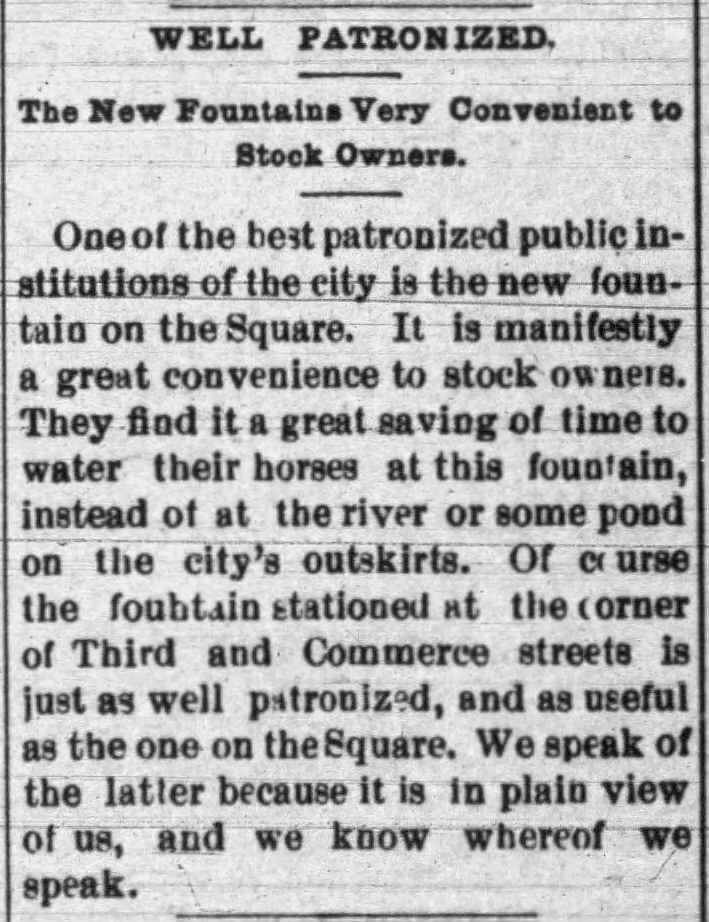
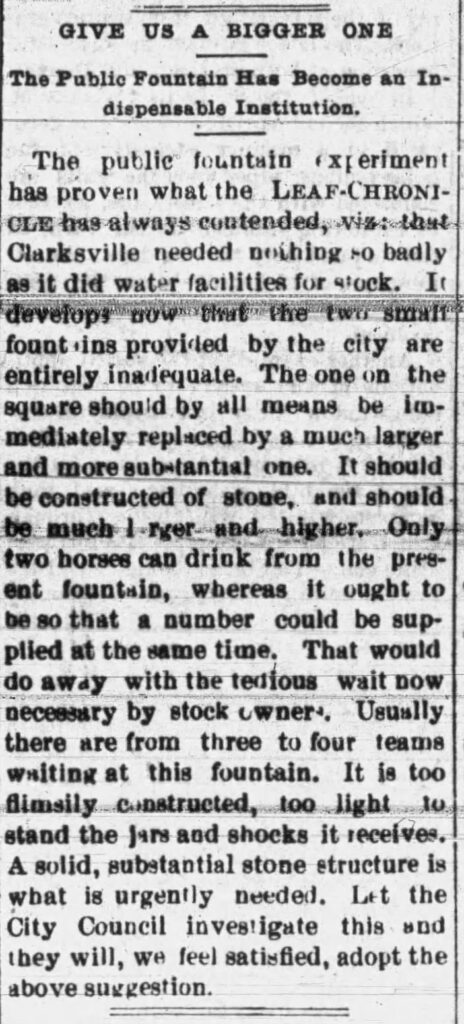
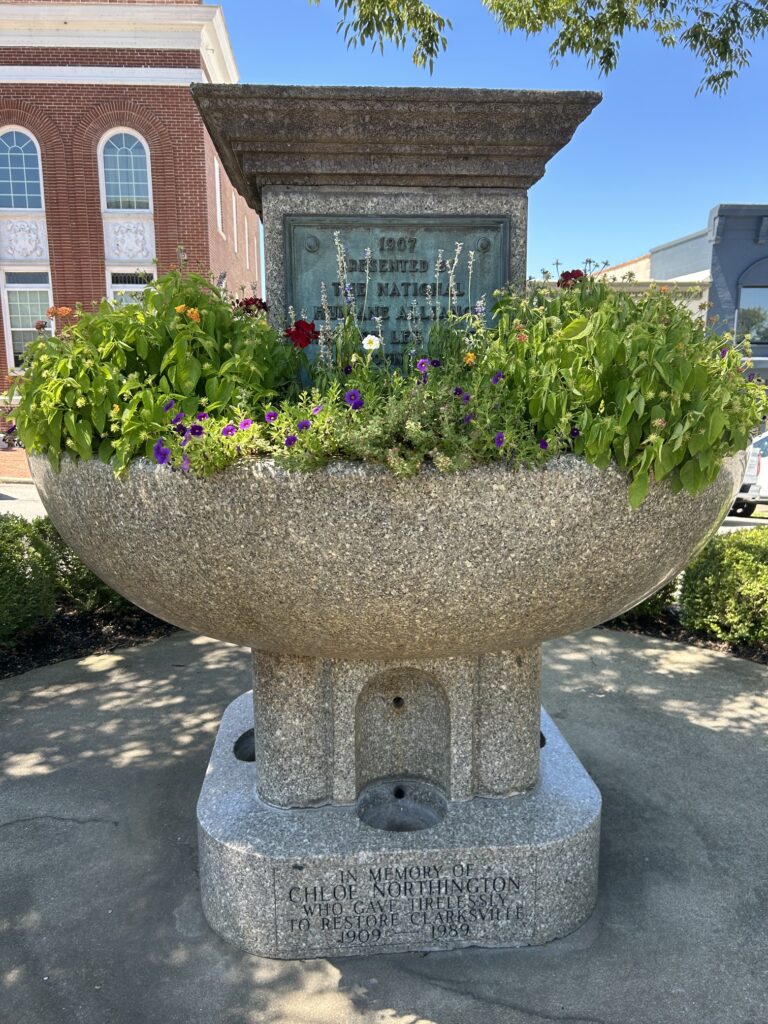
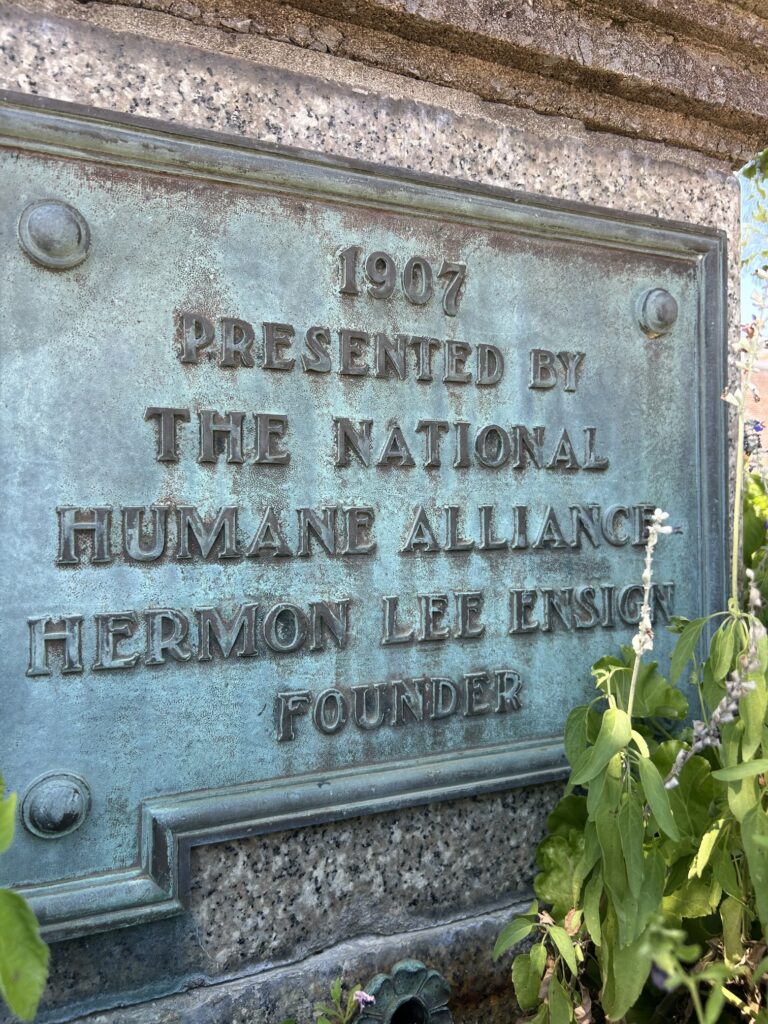
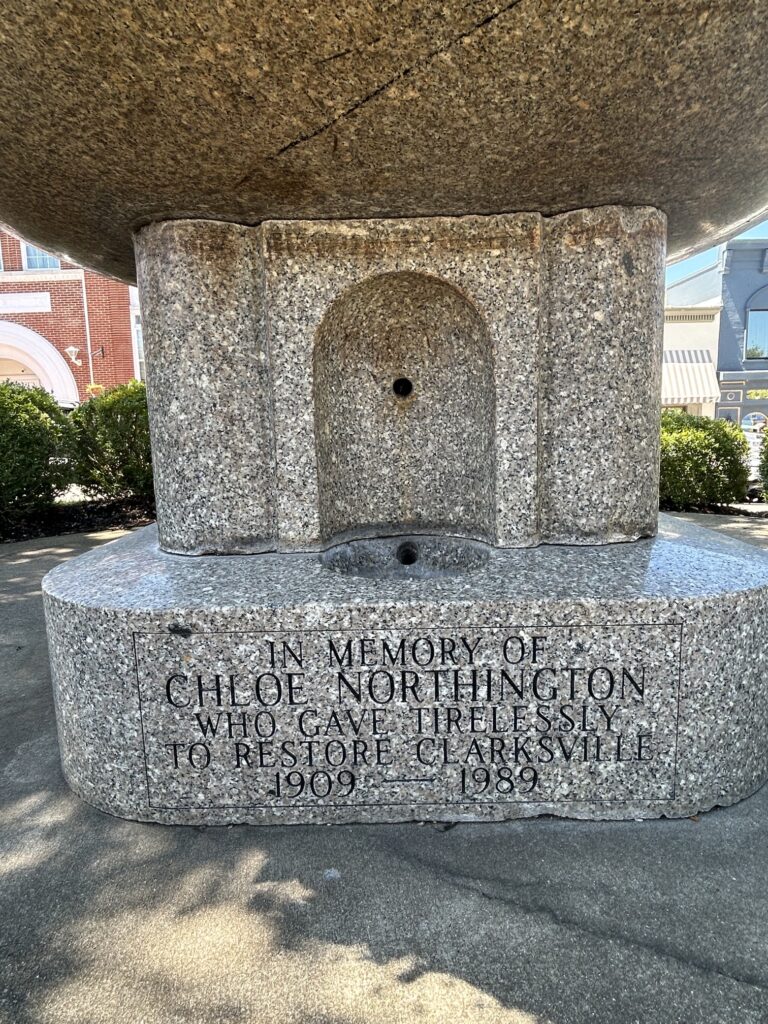
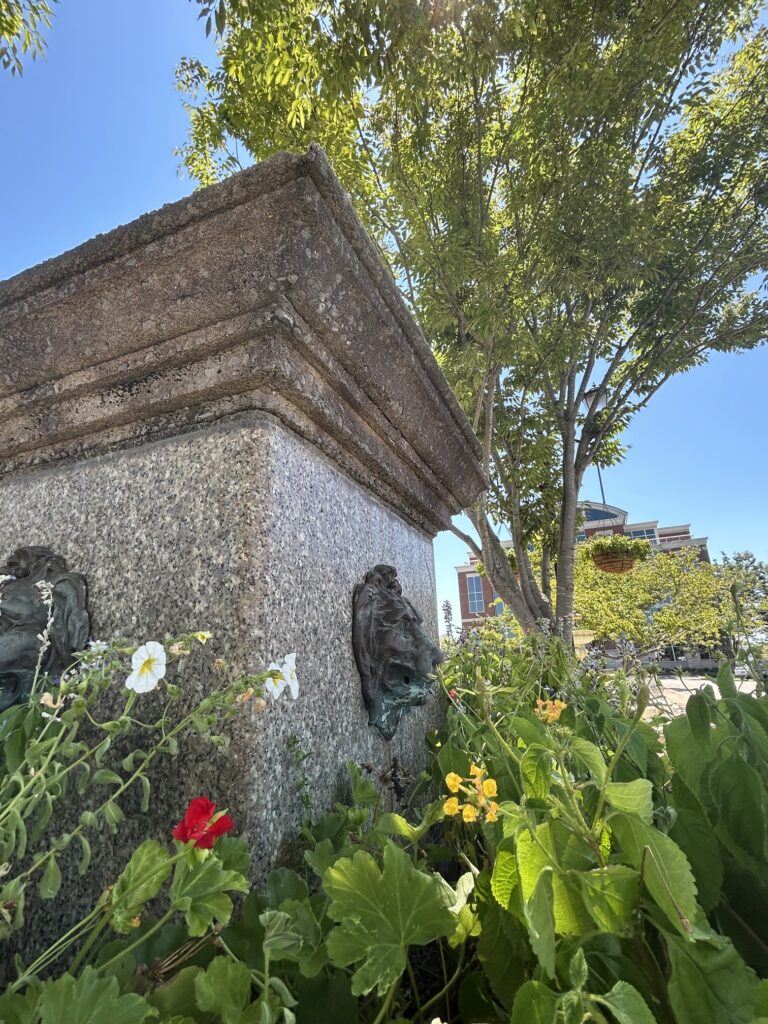
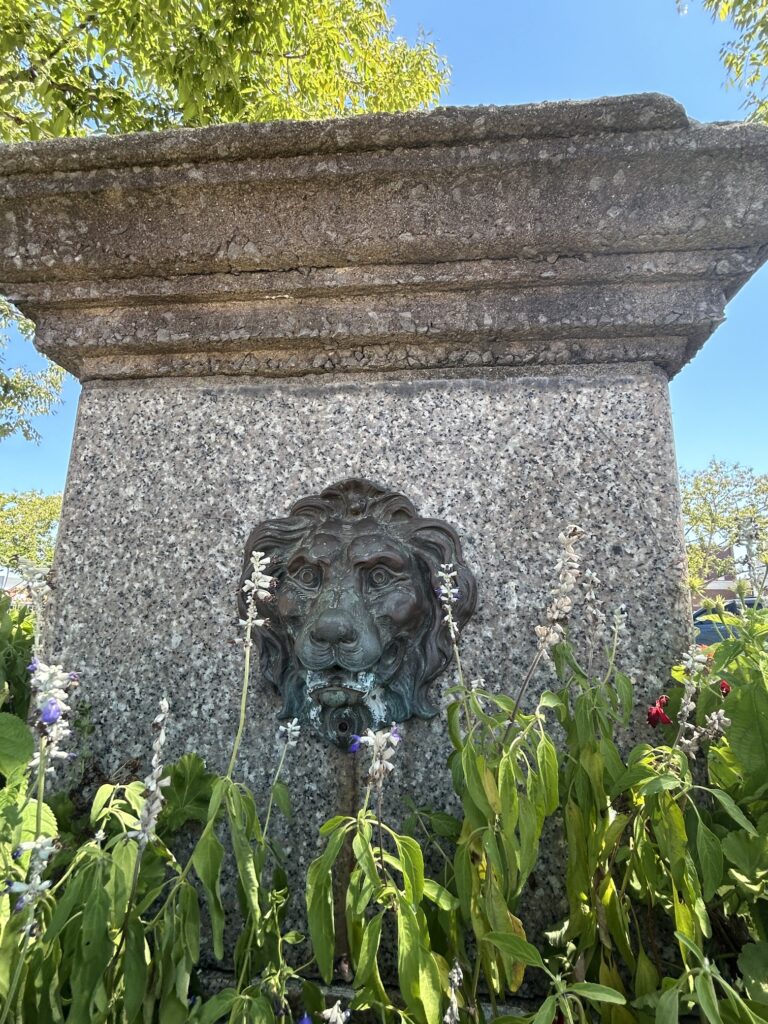
Thus, the water fountain/trough was evidently replaced with one made of stone. The inscription now on the fountain at Public Square marks the date as 1907, and gives credit to The National Humane Alliance, Herman Lee Ensign, Founder. Also honored on the lower level of the fountain is Chloe Northington for her dedication to Clarksville historic preservation and beautification, “who gave tirelessly to restore Clarksville, 1909-1989.” The fountain is now used as a container for seasonal plantings.
Courthouse Bell
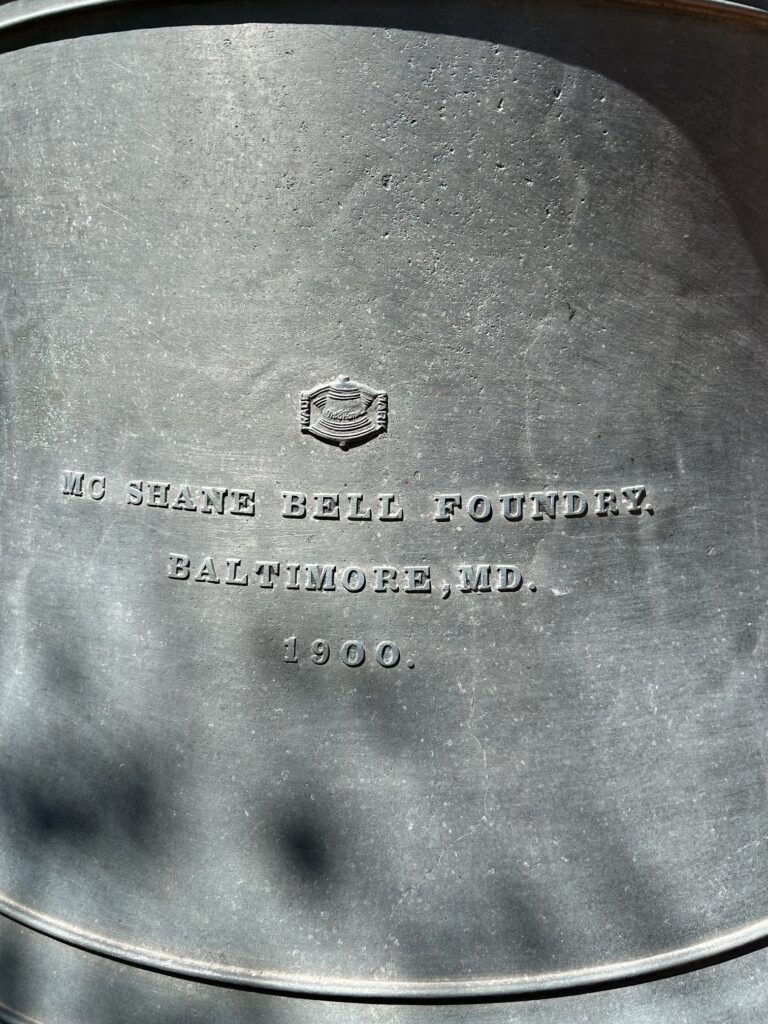
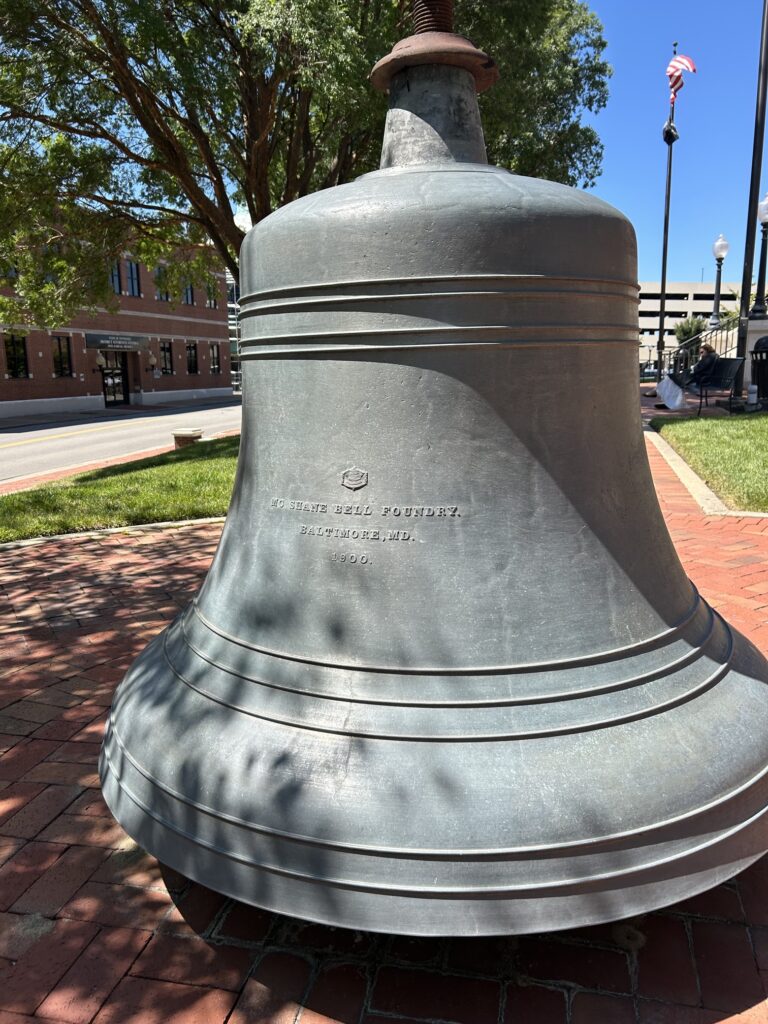
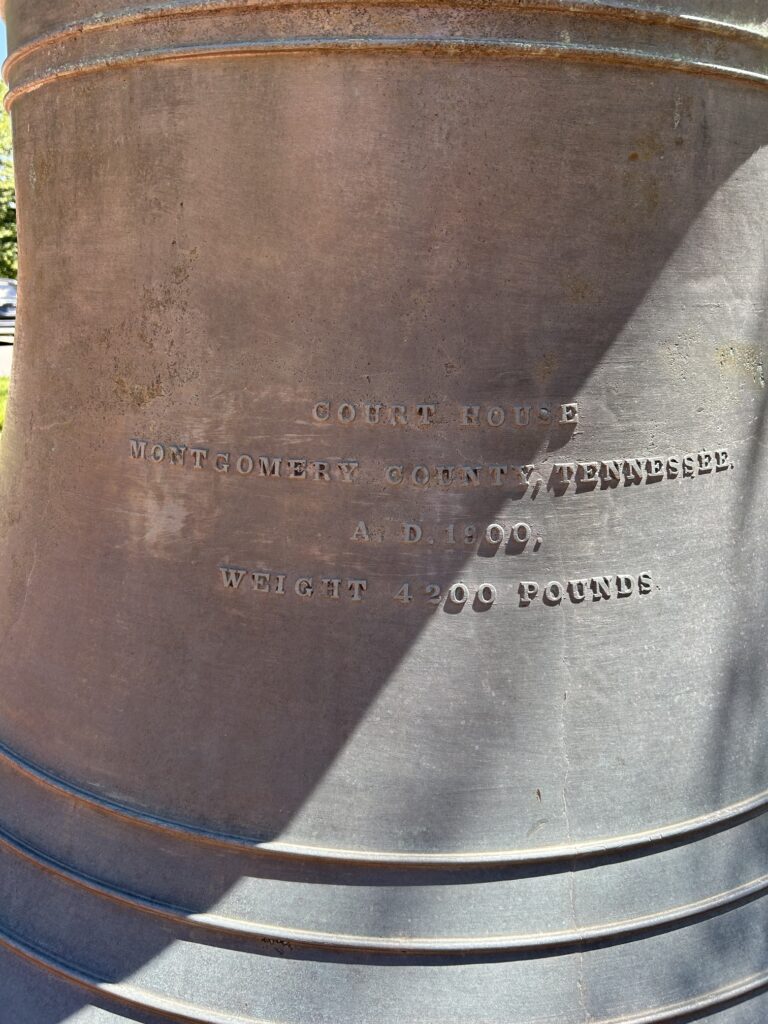
Credited with being installed in 1879, the Montgomery County Historical Courthouse bell rang on the hour and announced major events and disasters. The tolling of the bell was both a marker of the time and a marker of the events of life. Though it is credited with being in the courthouse since 1879, the bell was actually created in and stamped with the date, 1900. The book, Picturesque Clarksville (W. P. Titus, 1887) documented that the 1879 bell weighed 3000 pounds, and the one on the lawn is stamped with the Weight at 4200 pounds. So, at some point between 1879 and 1900, the original bell was replaced with a new one.
From 1900, The Montgomery County Historical Courthouse bell hung in the courthouse until the 1999 tornado. The F-3 tornado pummeled the historic clock tower and knocked the bell down to the ground. Rather than reinstall the historic bell, it was placed on the southeastern corner of the courthouse lawn as a permanent display and reminder to the public.
Model 1841 6-Pounder Field Gun
Another historically functional object on the courthouse lawn that is now an artistic display that emphasizes the necessity and craftsmanship of the Clarksville Foundry is the Model 1841 6-Pounder Field Gun, also known as a cannon. Built locally in Clarksville by Clarksville Foundry using original drawings of a Model 1841 6-Pounder Field Gun, the cannon was originally created and used during the U.S. Civil War. This replica was donated by the Rotary Club in 2017 to Montgomery County to mark the 100th anniversary of Rotary Club of Clarksville. The cannon also made it to the Top 16 of Coolest Things Made in Tennessee in 2025, thanks to the votes of Clarksvillians and friends.
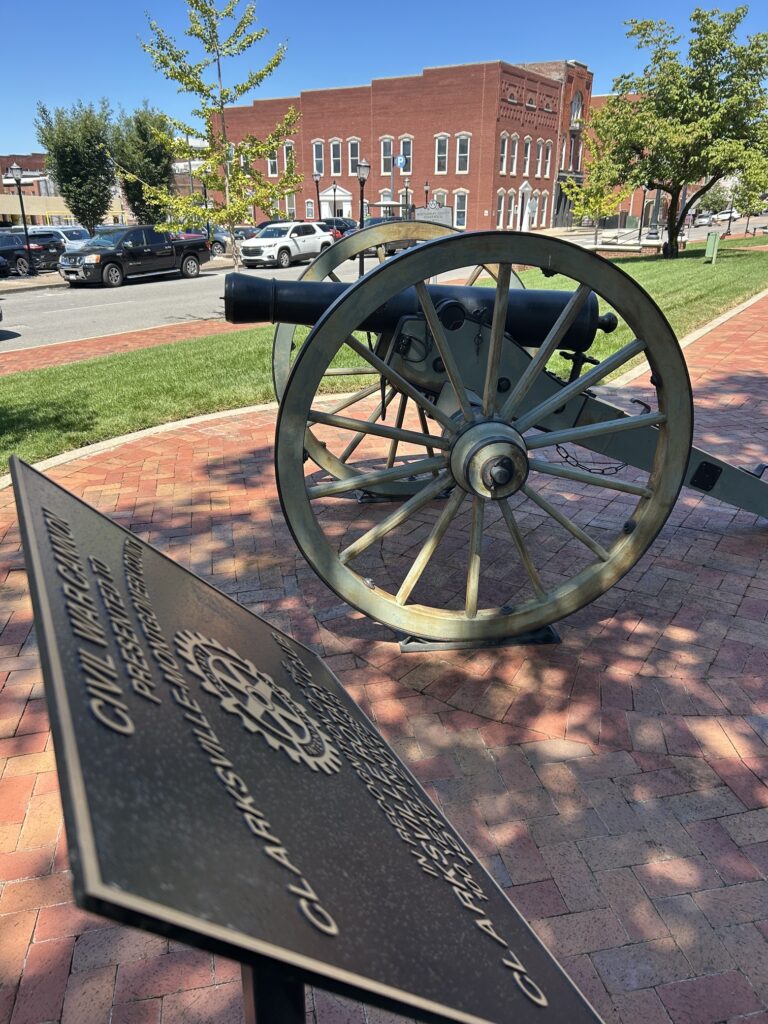
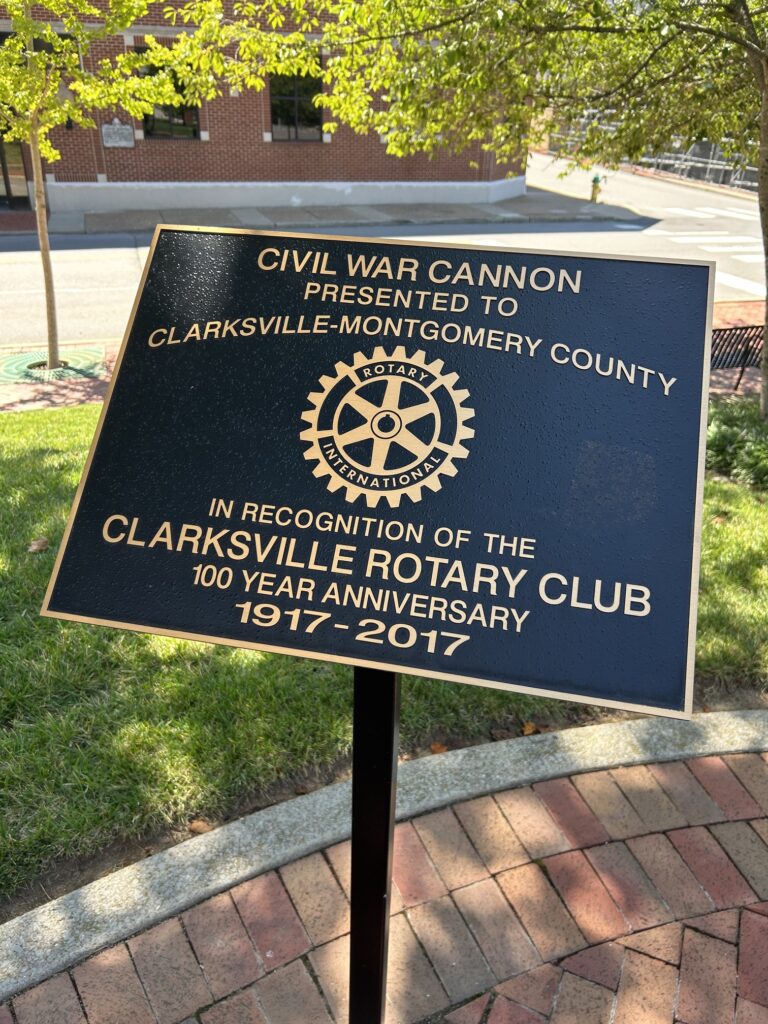
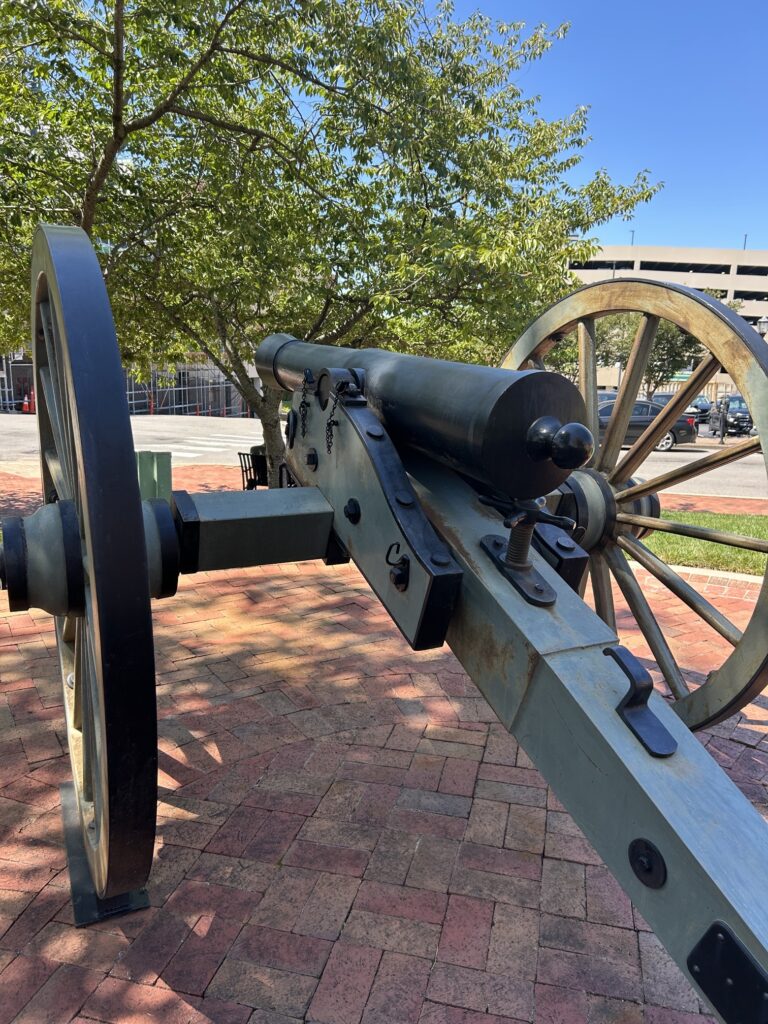
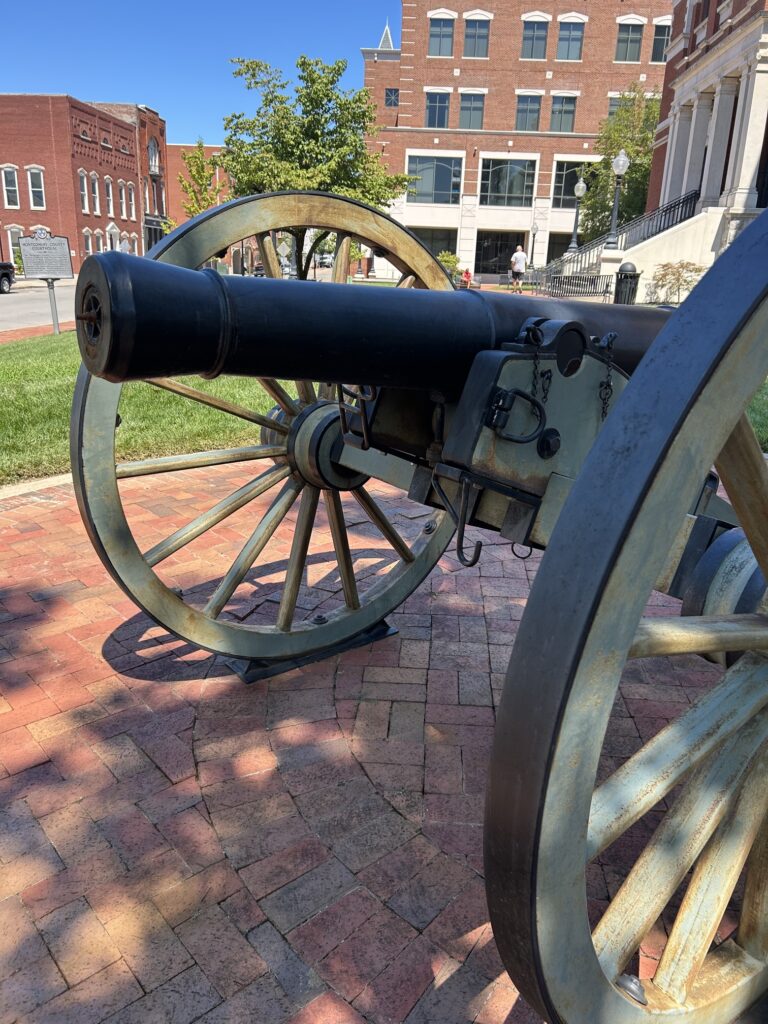
All of these historical artifacts that now function as public art and research items are within a half mile of one another. From the stone marker at 5th and Commerce to the Public Square water fountain/trough is about a five-minute walk covering 0.6 miles. The Montgomery County Historical Courthouse, where the bell and cannon are located, is on your way there and about halfway between the stone marker and the watering fountain.
Sundays at 3:00
If you’d like to learn more about the Clarksville Foundry, join us for Sundays at 3:00 on September 6, when Charlie Foust, owner and descendant, will present about the Clarksville Foundry’s history and some of the items produced by the Foundry over the years. Event is free and open to the public. Register here.
This article is part of a series on Public Art in Clarksville. Check out the articles below to read more in this series:
ART + DESIGN with the Public in Mind – Customs House Museum & Cultural Center
Importance of Preserving Clarksville/Montgomery County’s Public Art
Two Trails to Explore for Connected History – Customs House Museum & Cultural Center
Public Art in Clarksville: 4 Outstanding Statues
Public Art in Clarksville: 4 Amazing Murals

Shana Thornton is the Marketing & Media Manager and Managing Editor of Second & Commerce, the Customs House Museum & Cultural Center’s arts, history, and culture magazine. She is an author and publisher, Founder of the Clarksville-Montgomery County African American Legacy Trail, and the Montgomery County Deputy Historian.