By D.C. Thomas
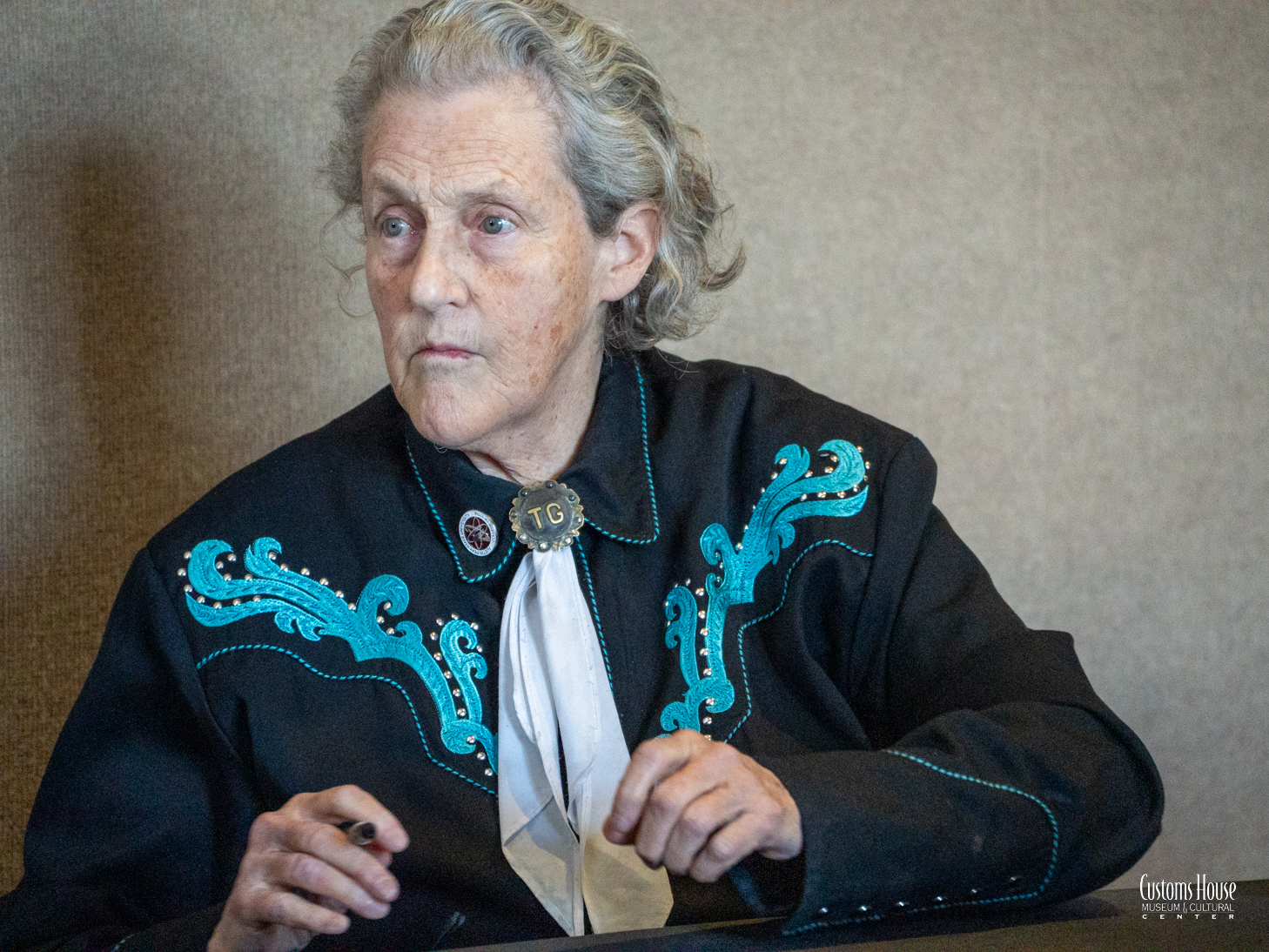
On October 30, Austin Peay State University (APSU) welcomed Dr. Temple Grandin, renowned author, scientist, and advocate for autism awareness and humane animal treatment, on an evening when empathy, intellect, and human connection brought together minds from across multiple fields and areas of interest.
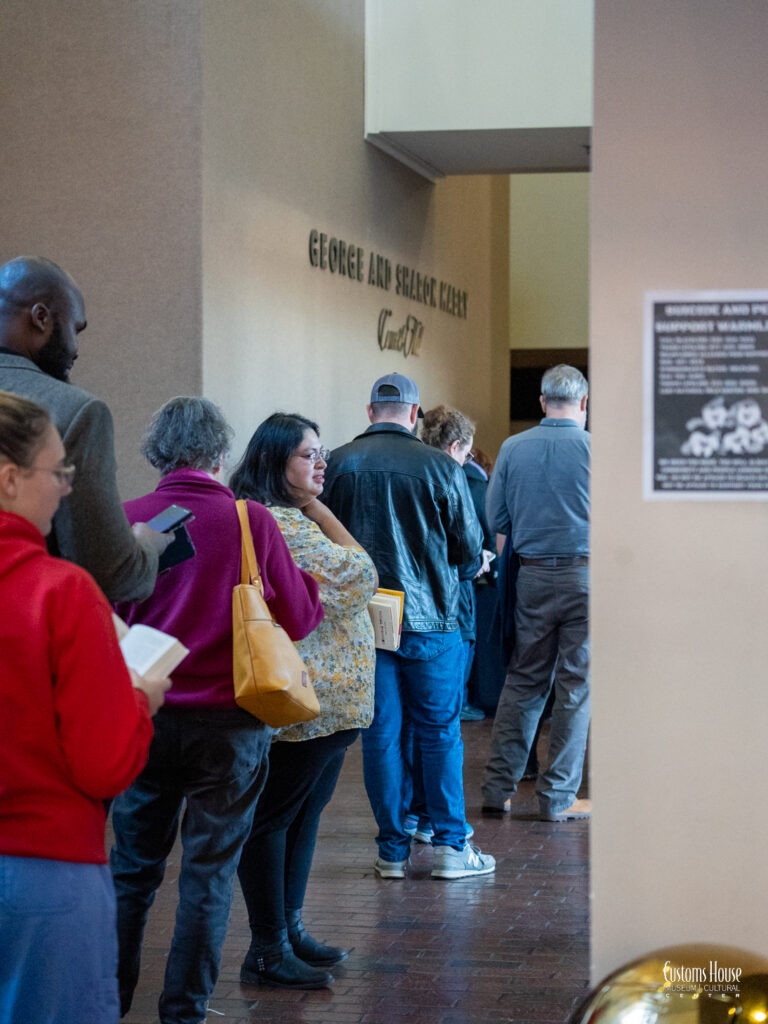
This event was organized by the College of Science, Technology, Engineering & Mathematics (STEM), and on the 30th, it began with a community book signing in the Music and Mass Communication (MMC) building’s lobby.
The Ann Ross Bookstore set up a special display of books by Dr. Grandin for this occasion, and the lobby quickly filled with students, professors, and families waiting to meet her.
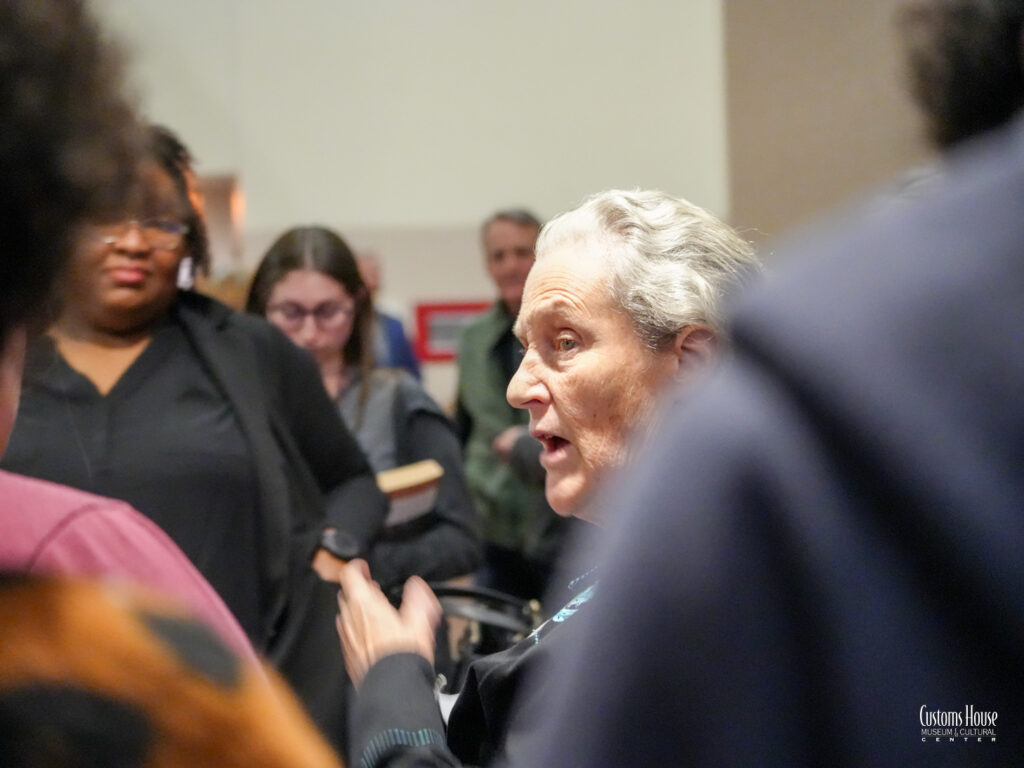
Dr. Temple Grandin at APSU, the book signing event

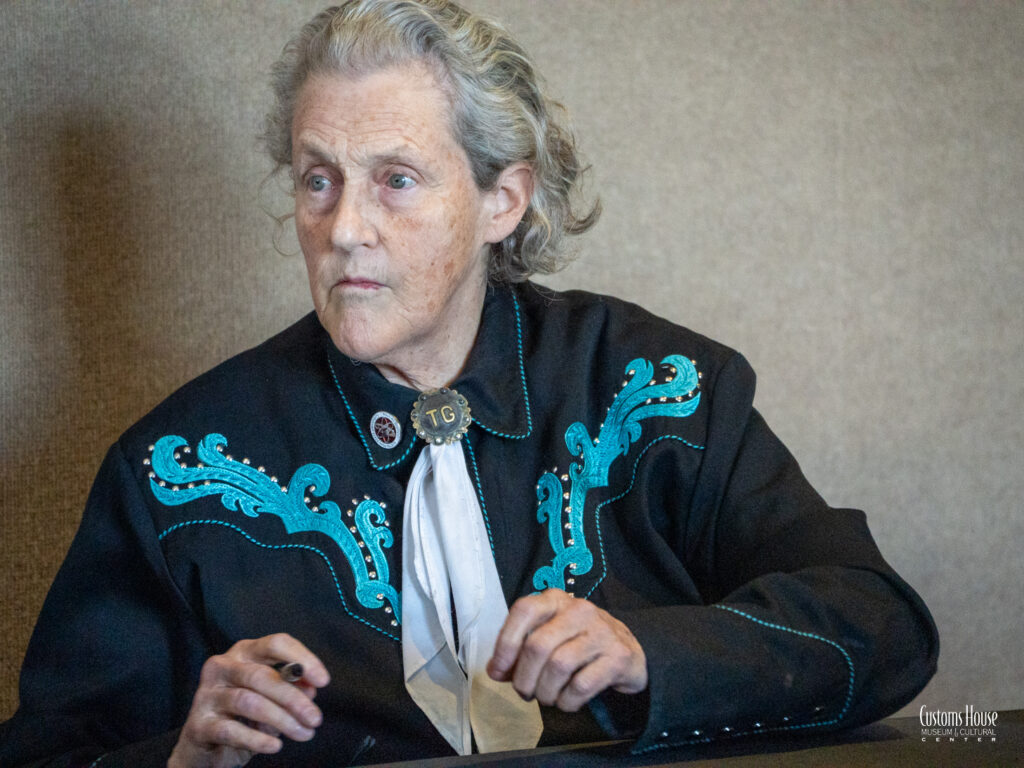
Before the presentation began, I purchased a copy of Thinking in Pictures: My Life with Autism (the 25th anniversary edition), one of Dr. Grandin’s most acclaimed books. When my turn came, she asked for my name, and she graciously signed it: just Thomas.
That simple gesture felt deeply personal, a moment of acknowledgment from someone who has helped reshape how the world perceives neurodiversity.

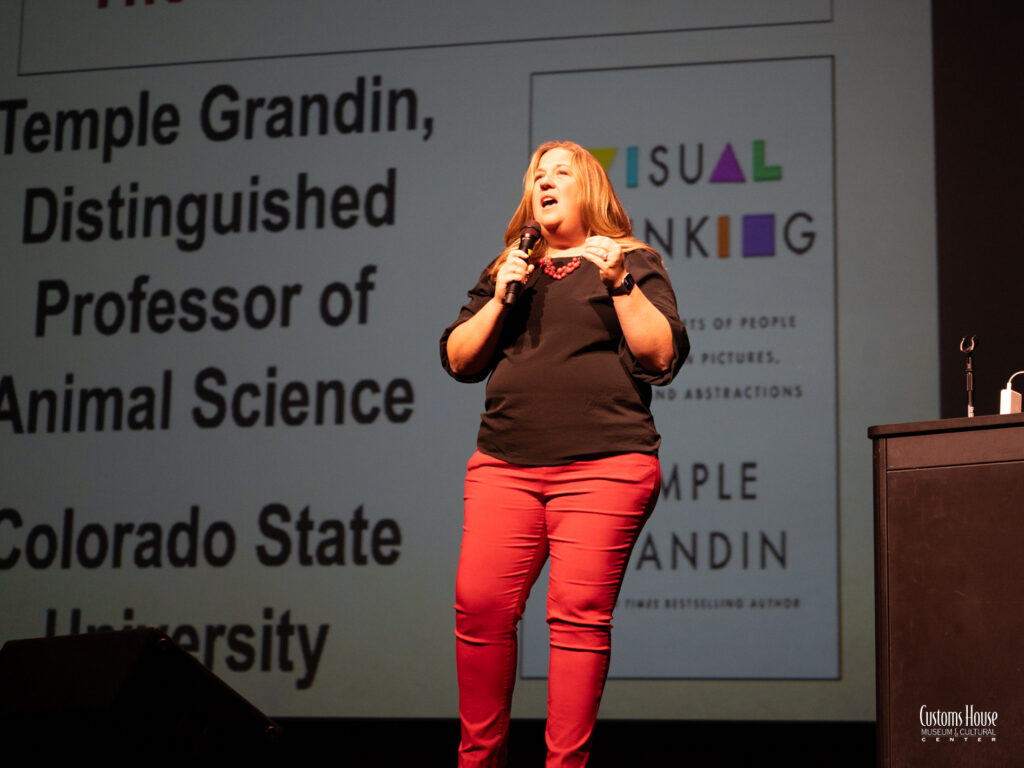


During her talk and presentation, Dr. Grandin spoke passionately about visual thinkers, those who process information through images rather than words, and how these minds see connections that others miss. She encouraged educators and parents to recognize and nurture these differences in ways that benefit the young minds and help them develop practical, hands-on skills early in life.
On a related note, her words carried a sense of urgency but also optimism when she mentioned the prevalence of artificial intelligence (AI), reminding everyone in the auditorium that diversity of thought drives innovation and understanding, especially in areas where AI is not advanced nor capable of replacing human proficiency.
What stood out most was how attentively she engaged with everyone. After her presentation in the George and Sharon Mabry Concert Hall, she answered each question with patience and respect, from professors to children in the audience. Some people who hadn’t managed to purchase a book handed her scraps of paper or a notebook for her to sign. Long after the presentation that night, she thoughtfully accommodated each request from students and families. She took photos and listened as they or their loved ones shared the challenges they’ve experienced on the autism spectrum.


For many in the audience, including me, that evening was more than just an academic event. It was yet another powerful reminder that communication takes many forms. The way we perceive the world can be both our greatest challenge and our greatest strength.
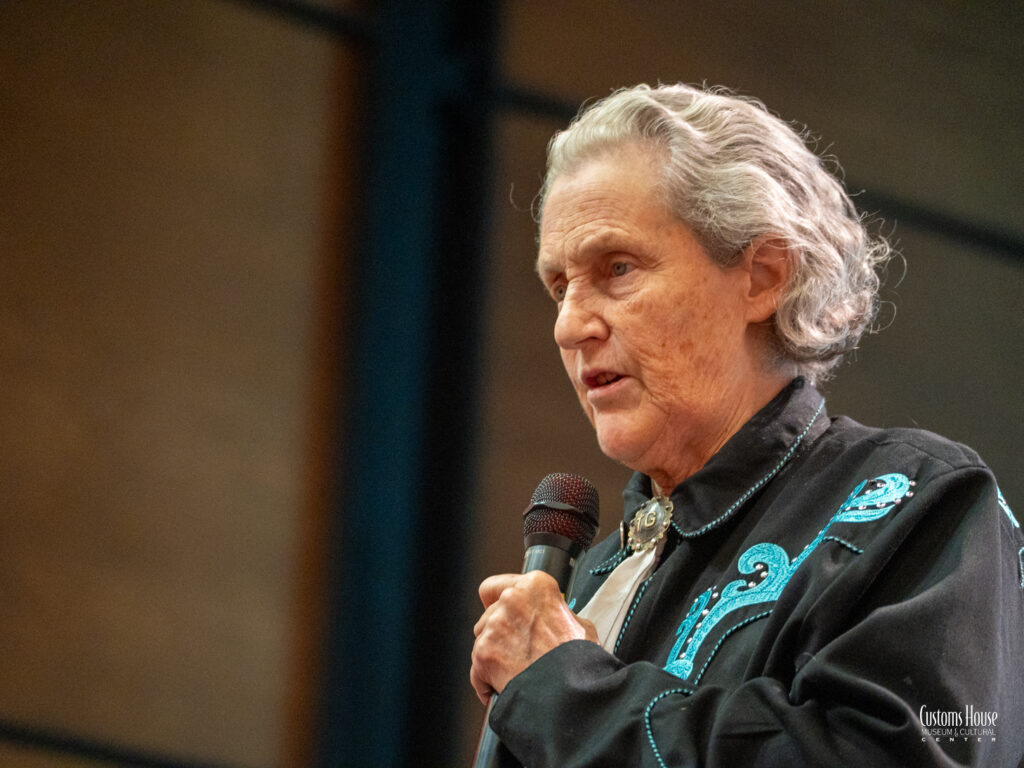
Seeing Dr. Temple Grandin in person, hearing her speak about thinking through images and patterns, offered an extraordinary look at how differently and beautifully the human mind can work.

D.C. Thomas is the Marketing & Publications Designer at the Customs House Museum & Cultural Center. She is an author, visual artist, and graphic designer.