By Meghan E. Gattignolo
Dunbar Cave State Park is one of the most historically relevant places to visit in Clarksville. From long-standing traditions to the remnants of prehistory people, the park is full of interesting structures and old pathways. There’s no way to absorb everything that’s awesome about Dunbar Cave in one day, but there’s many different ways to enjoy the park in a single visit.
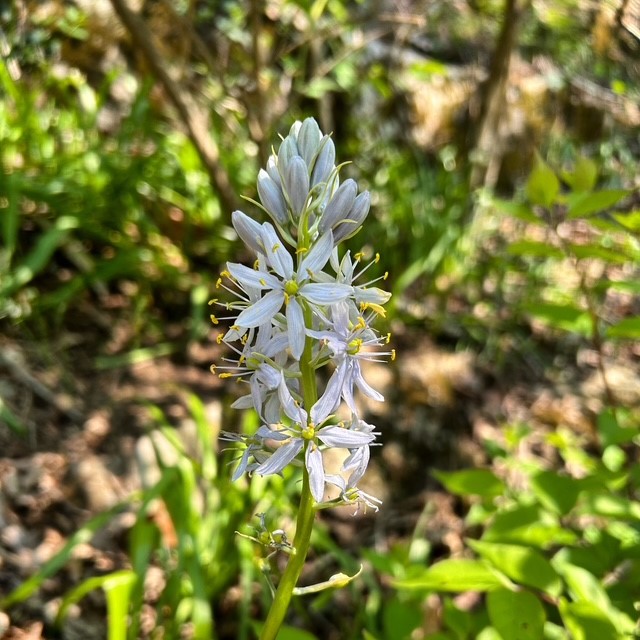
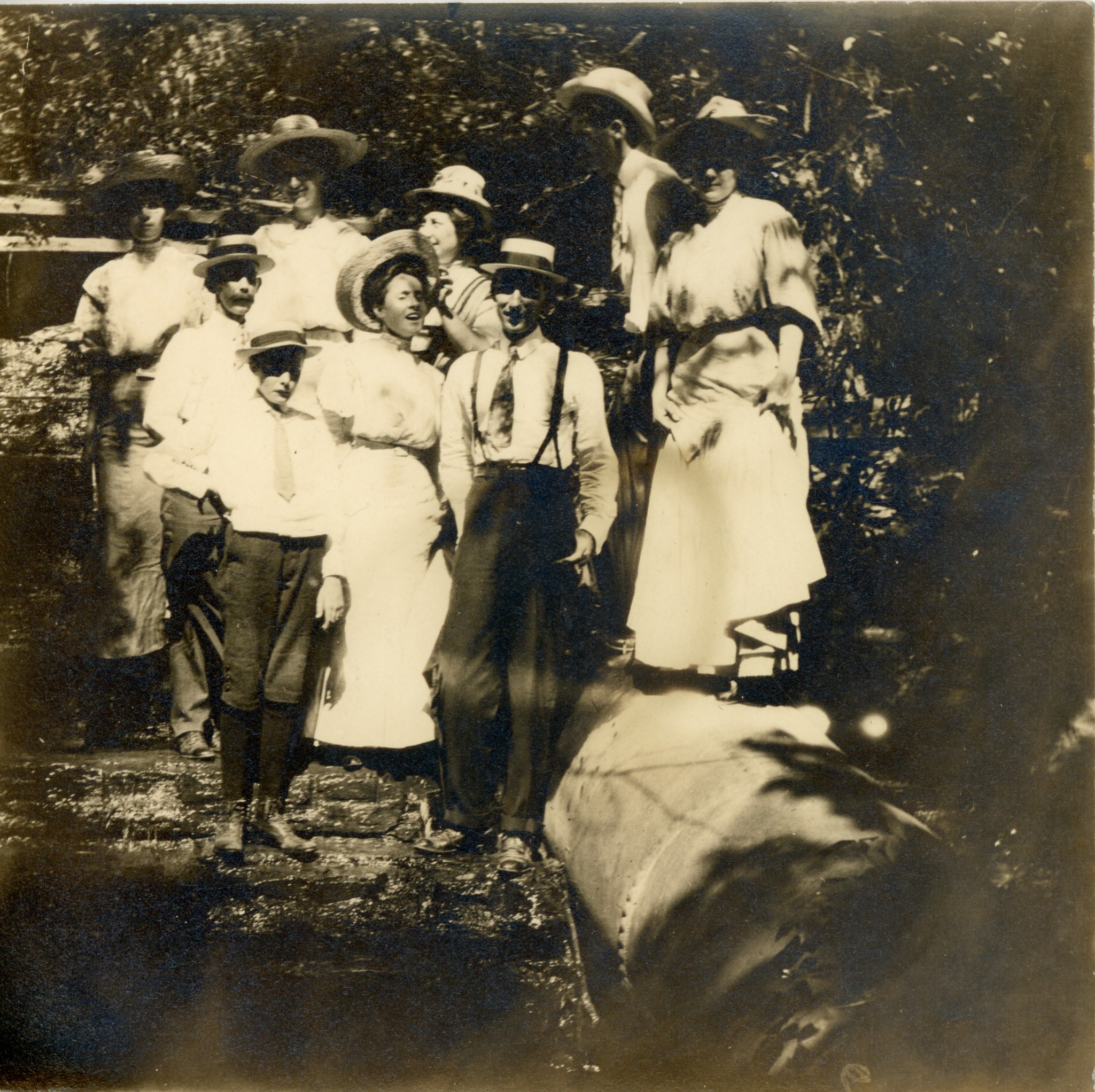
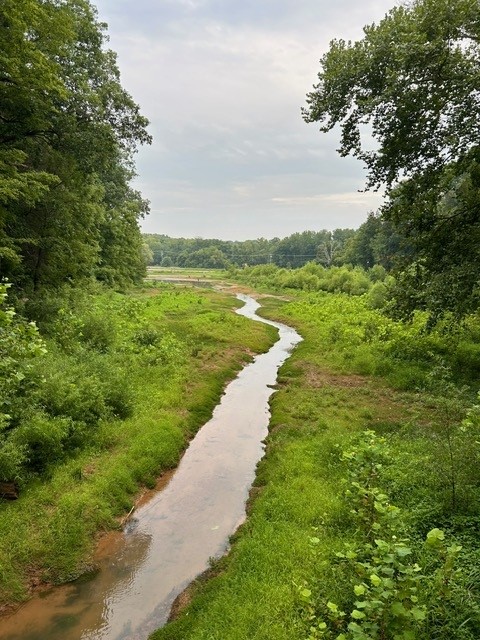
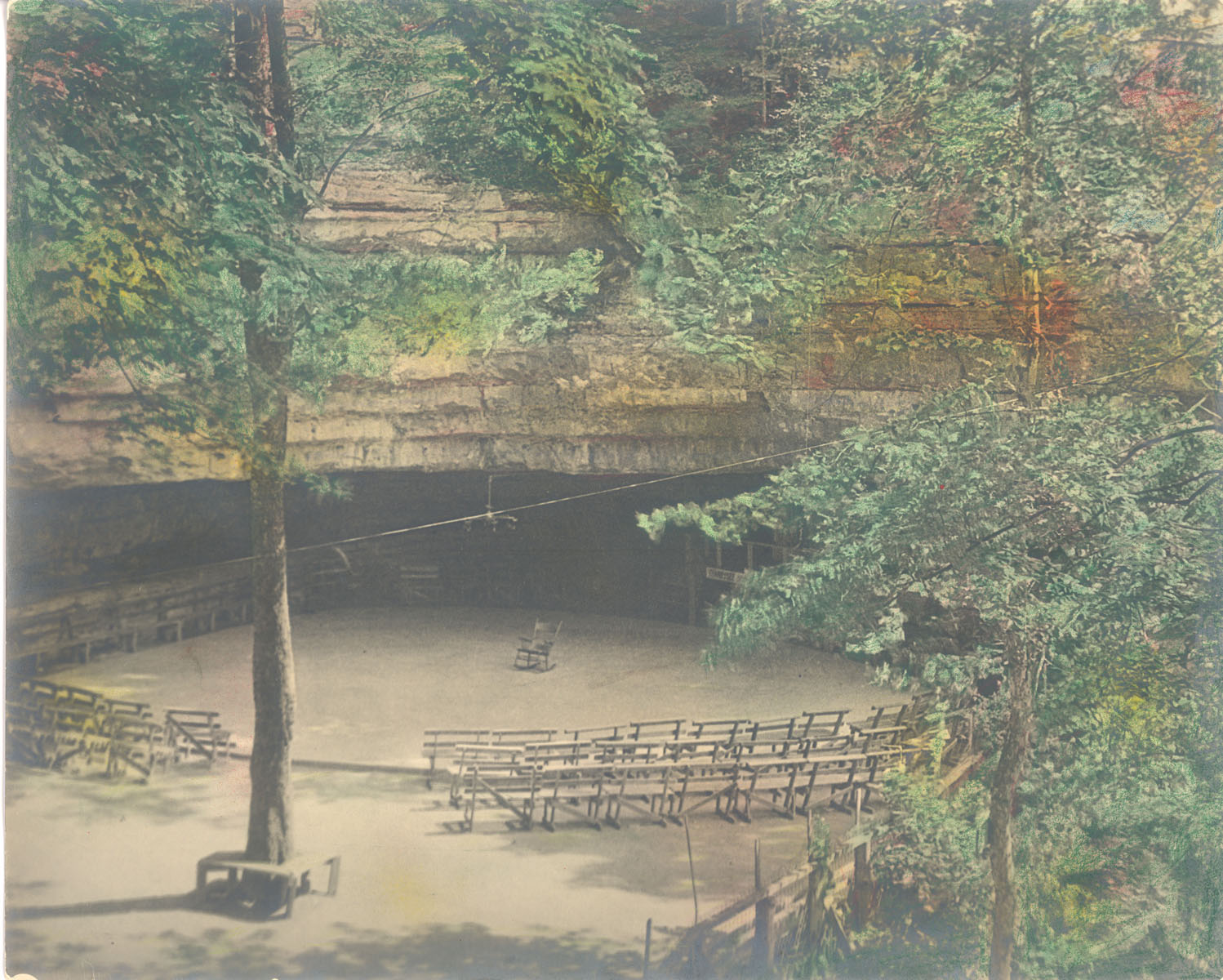
Historical image Courtesy of the Customs House Museum & Cultural Center Collection. Nature photos of Dunbar Cave by Shana Thornton.
Nature Lovers & Artists
Dunbar Cave State Park is a protected natural area, and long before it was a state park it served as a weekend getaway for Clarksville’s city folks. Even though the city has grown to encompass the park now, it’s still easy to get lost in the same natural beauty Clarksville residents have been enjoying for more than a century.
A simple walk to the cave provides an opportunity to check out plenty of native wildlife including chipmunks, woodpeckers, muskrats, herons, otters, snapping turtles, and more than enough geese. Deer are fun to spot while walking the wooded trails, and bird-watchers appreciate the diversity of species that call the park home. The pollinator garden by the Visitor Center is also a great place to see native plant species without walking too far.
Even before the lake was built in the late 1920s, a natural stream that flows from inside the cave created a lush wetland environment, so Thomas Dunbar probably enjoyed much of the same diversity of wildlife we can today. Artists and painters often visit the park to create en plain air paintings, including the Arts & Heritage Development Council of Clarksville. Many Clarksville artists have captured images of Dunbar Cave in their paintings, sculptures, watercolors, drawings, photographs, and more. Indeed, Dunbar Cave offers inspiration every day.
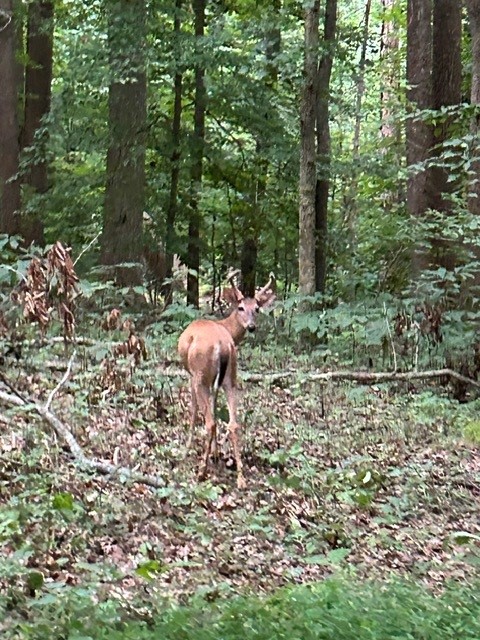
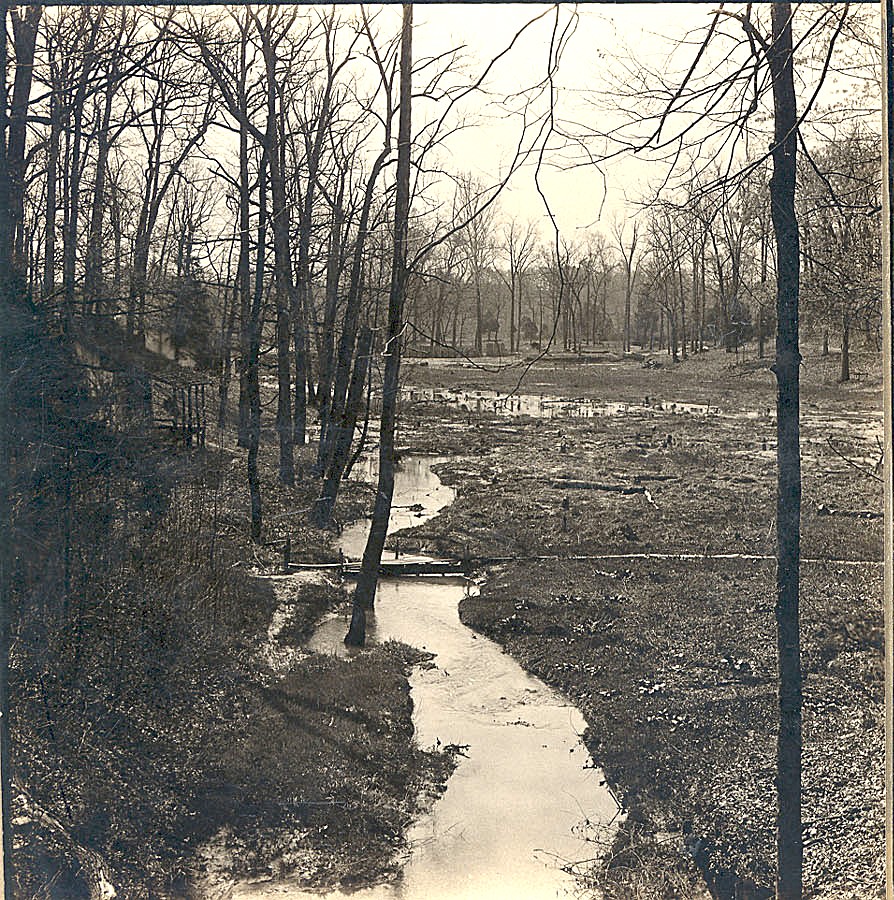
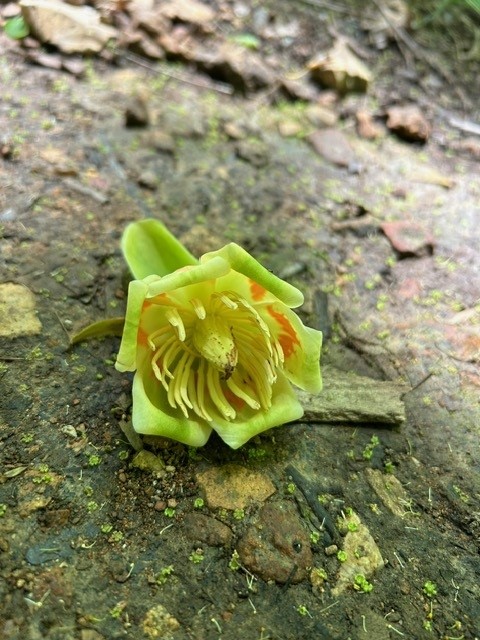
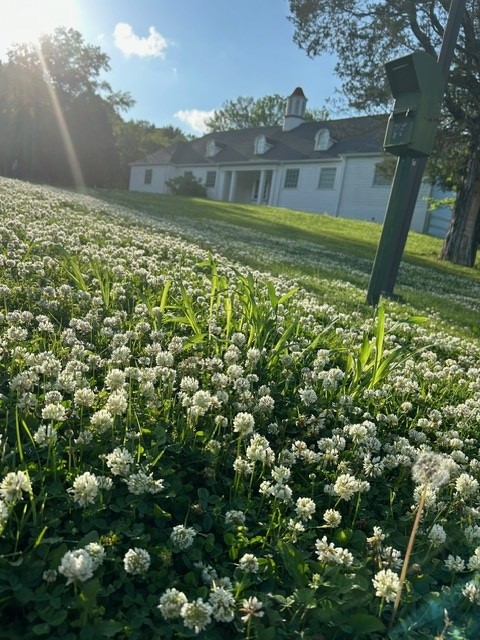
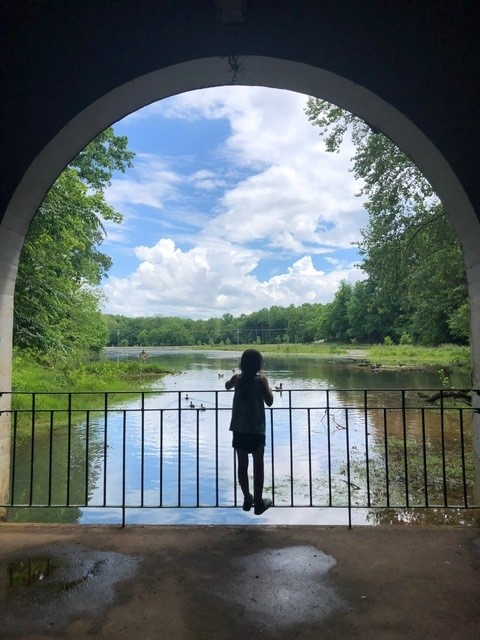
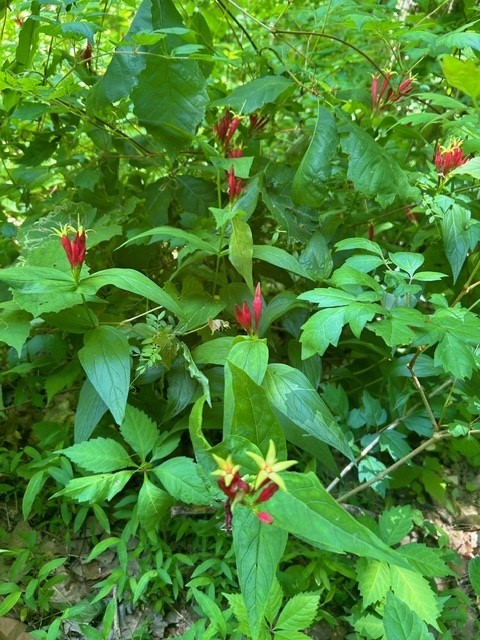
Nature photos of Dunbar Cave by Shana Thornton. Center historical image: Courtesy of the Nora Witzel Collection from the Customs House Museum.
Serious Hikers
Just like the early morning regulars with their puppy companions and the Ft. Campbell soldiers seeking the hilly terrain, you can enjoy Dunbar’s roughly three miles of hiking trails, too. All trails are connected, but you can choose your own adventure. The Recovery Trail is the longer choice, and to add even more dazzle to your hike, walk across Tom Dillard Lane when you reach the crossroads on the Recovery Trail. That path will take you out of the woods and into the Grassland Trail!
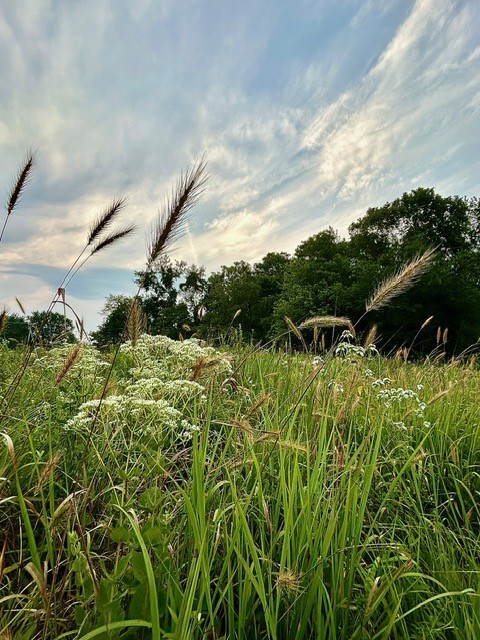
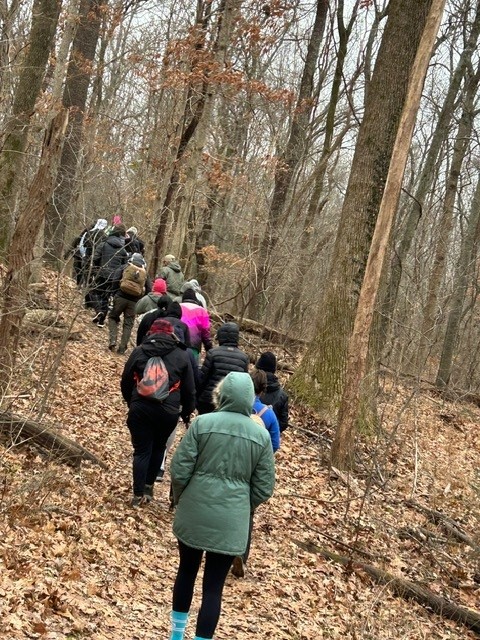
Before settlers came, much of Montgomery County’s terrain was covered by prairie. The Grassland Trail follows paths that wild buffalo once used to graze. This section is observed and maintained by the Southeastern Grasslands Initiative and was added to the park through a land acquisition in 2014.
Sections of the trails have recently been restructured and/or rerouted. Fresh areas are a little spongy, but just need use to wear them in. Much of the “new” section was actually built a few years ago by a former Dunbar Cave park ranger that was never finished. The idea behind the new trail was to take better advantage of the historic landscape’s beauty as well as prevent soil erosion.
Park Ranger Adam Neblett leads an Our Cultural Landscape hike a few times a year. Make sure you’re on the next one if you want to learn more about the cultural and historical significance of the trails.
A guided hike will take place on June 7 for National Trails Day. The Friends of Dunbar Cave, Inc. is a group of local volunteers who help with park fundraising and events. They have a Membership Drive on June 7 in connection with National Trails Day. Check it out here.
Acuff Reminiscers and Musicians
Chances are you or someone you love fondly remembers the dances and concerts held at Dunbar Cave during the last hurrah of the resort era of the park decades ago. Country music star Roy Acuff owned the cave from 1948 until he sold it to a local developer in the late 1960s. You may have seen signs around town referring to “Roy Acuff’s Dunbar Cave.” If not, find one in the Becoming Clarksville exhibit in The Customs House Museum & Cultural Center’s Heritage Hall.
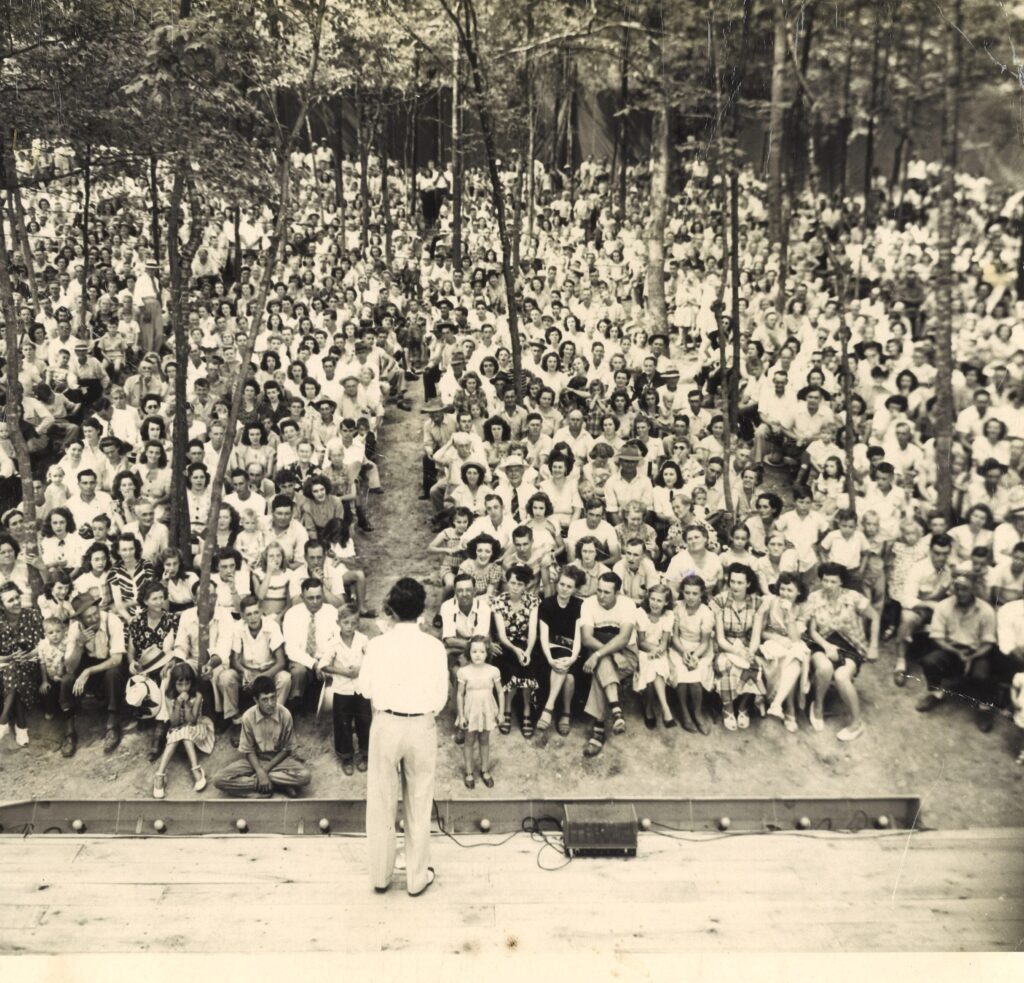
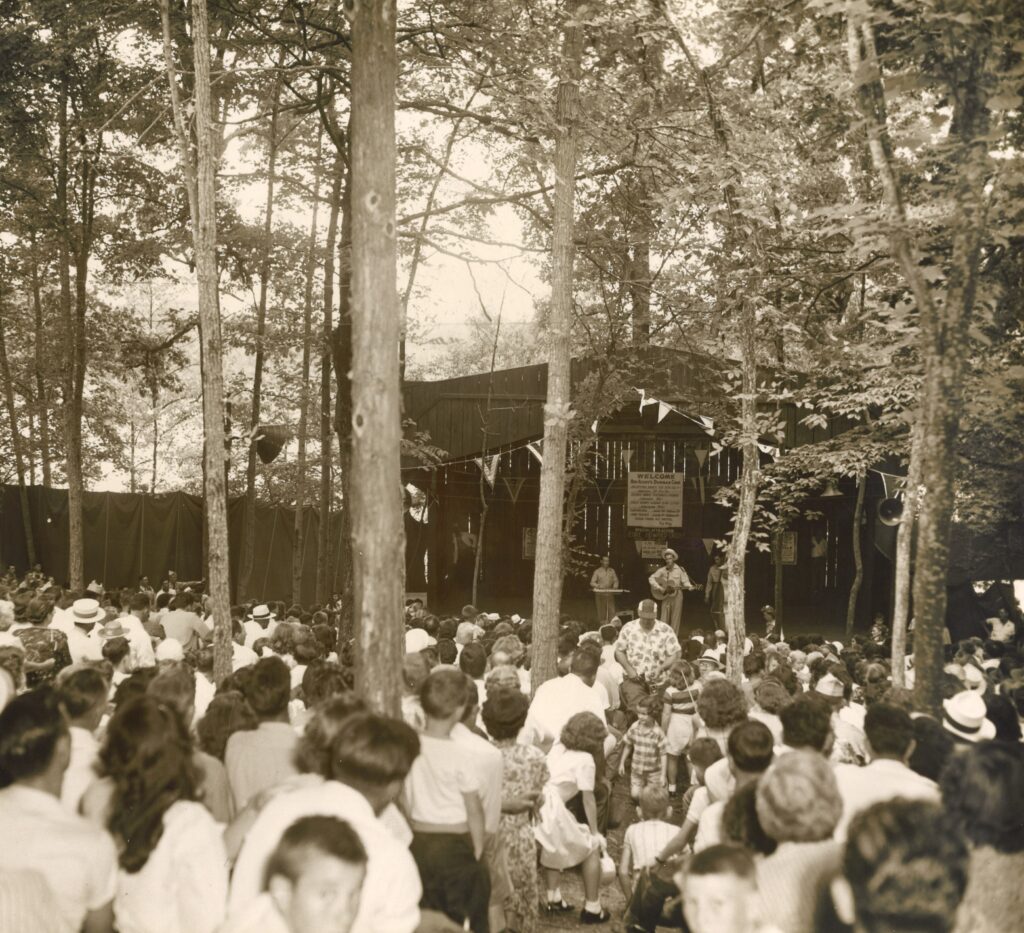
Roy Acuff Performances at Dunbar Cave. Courtesy of Customs House Museum & Cultural Center Collection.
Acuff wanted to make country music-themed amusement available to everybody. Dunbar Cave was an investment in that vision. He used the cave as a music venue where he hosted performances straight from the Grand Ole’ Opry stage, offered fun activities and games, a golf course, and guided cave tours.


Big Band Dances at Dunbar Cave. Courtesy of Customs House Museum & Cultural Center Collection.
Roy isn’t the only reason Dunbar Cave is included along the Tennessee Music Pathways trail, though. Dunbar Cave already had a thriving musical reputation before Acuff’s attention. During the Big Band era of the 1930s and ‘40s, famous acts like Lena Horne and Glen Miller performed at the bandstand at the cave entrance.
The Friends of Dunbar Cave organization has continued the concert series over the years as Cooling at the Cave. This year, the Cooling at the Cave concert features Cumberland Winds Big Band on Saturday, June 21. The park closes early to the public during these concerts and is only open to ticket holders. Get your tickets here.


Cooling at the Cave Concerts every summer by Friends of Dunbar Cave.
Cave Explorers
Of course, you haven’t seen Dunbar Cave until you’ve seen the cave. While walking up into the cave mouth is a pleasant experience, you want to see what Dunbar Cave hides in the dark. Tours are led by passionate Seasonal Interpretive Rangers who take you on a themed journey highlighting the cave’s most interesting features. Tours take about an hour or two, and cover most of Dunbar Cave’s historic section.
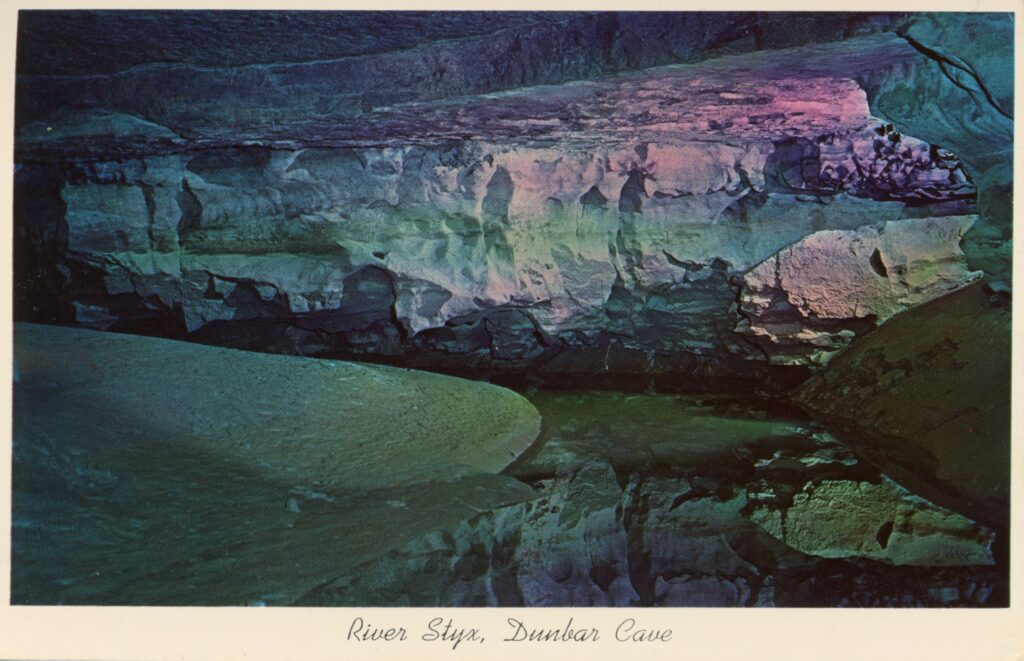
You get to see cave formations and hear stories that visitors also experienced at the turn of the 20th century, but you’ll also learn about features that were only discovered within the last couple decades. Learn how the cave preserves the stories of indigenous Americans, and peek at graffiti left behind by cave enthusiasts over the last 200+ years of Clarksville’s history.
Cave tours are usually offered seasonally from May through September. In 2025, the season is pushed back due to flooding damage, so be sure to keep an eye out for updates on social media and on the Dunbar Cave State Park website so you don’t miss the next cave tour opportunity! Until then, you can take a Virtual Tour of the cave at the park office.
Dunbar Cave State Park has a lot to offer depending on your level of interest. Which type of visitor are you?
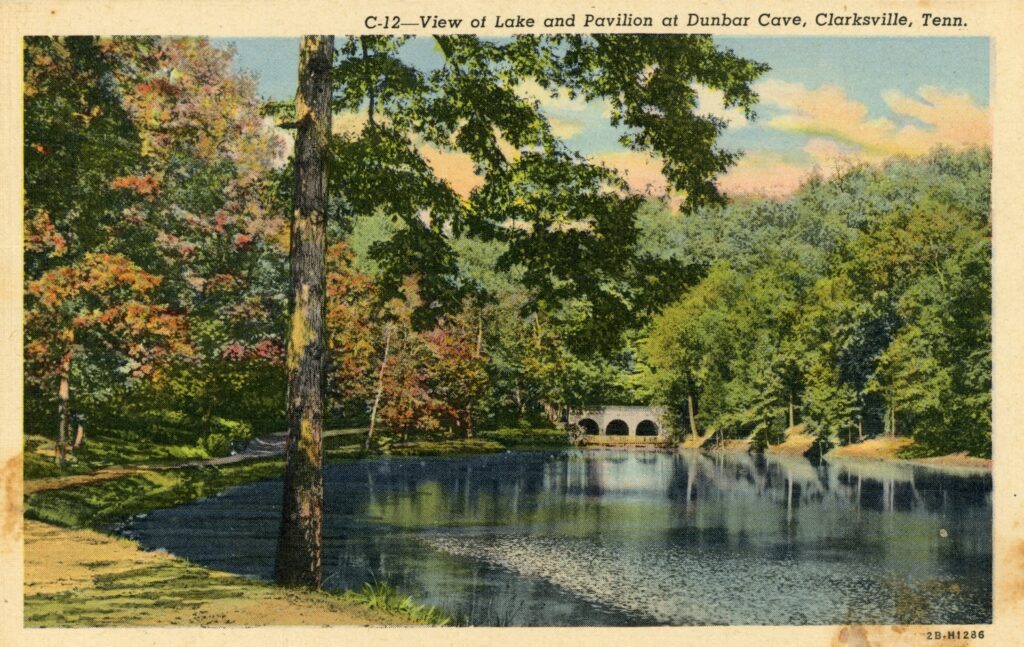
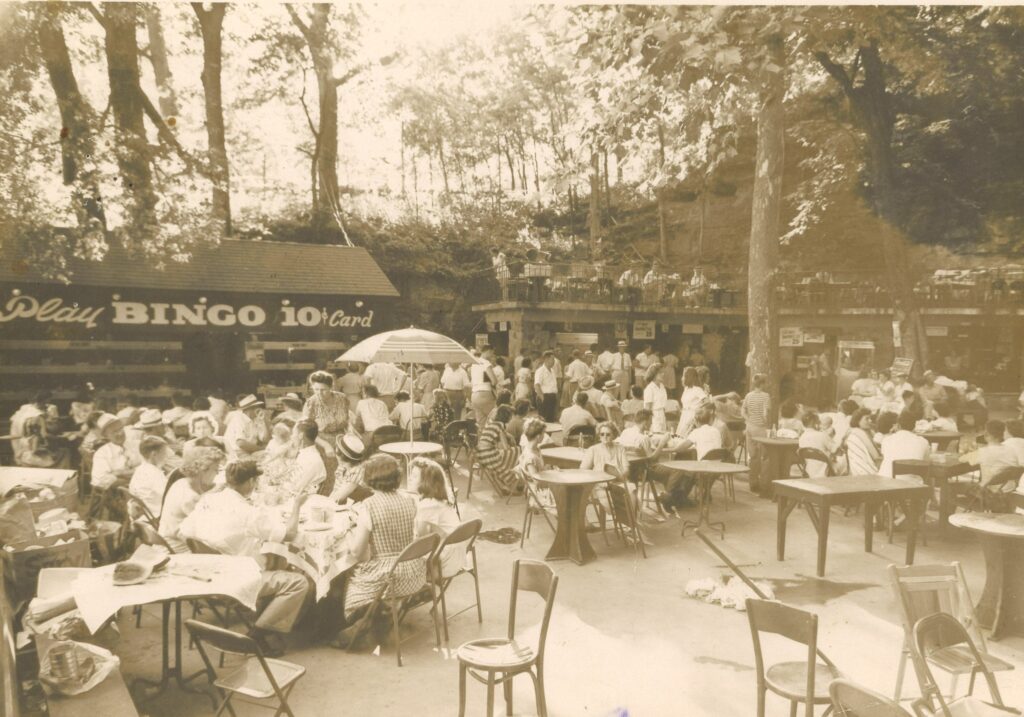
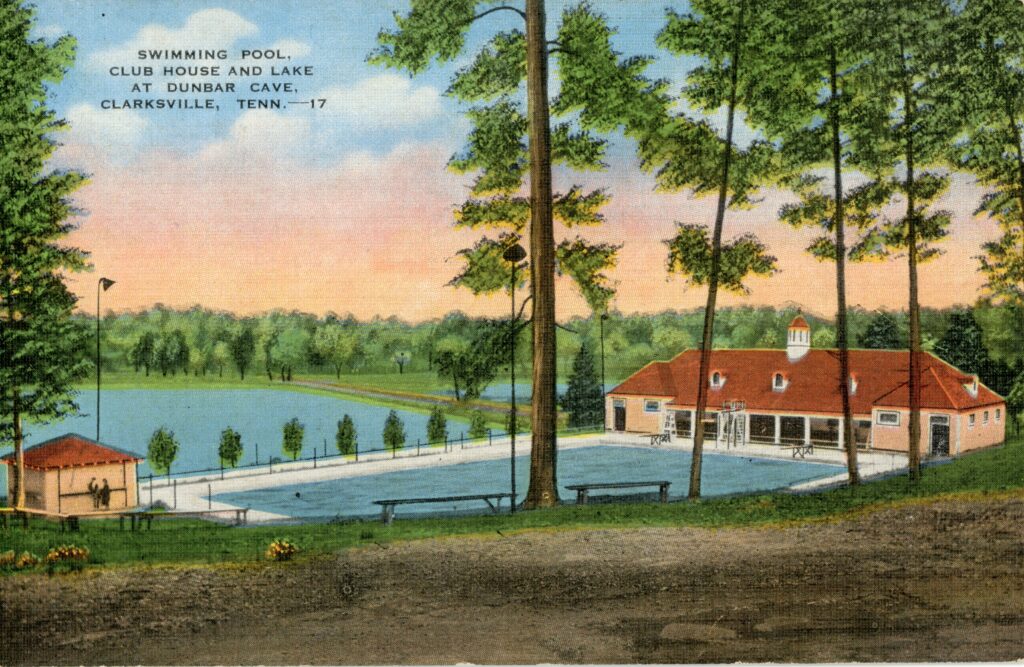
Historical photos and postcards of Dunbar Cave. Courtesy of Customs House Museum & Cultural Center Collection.
Resources
Membership — Friends of Dunbar Cave
Dunbar Cave State Park — Tennessee State Parks

Meghan E. Gattignolo is a freelance writer and longtime Clarksville, TN resident. She loves to obsess about historical subjects and annoy her family daily with unsolicited random facts. Meghan holds a History B.A. from Austin Peay State University and lives in town with her husband and two children.